Viv Victoria Hellebore
Months Of Purple Blooms That Bridge Fall, Winter, And Spring
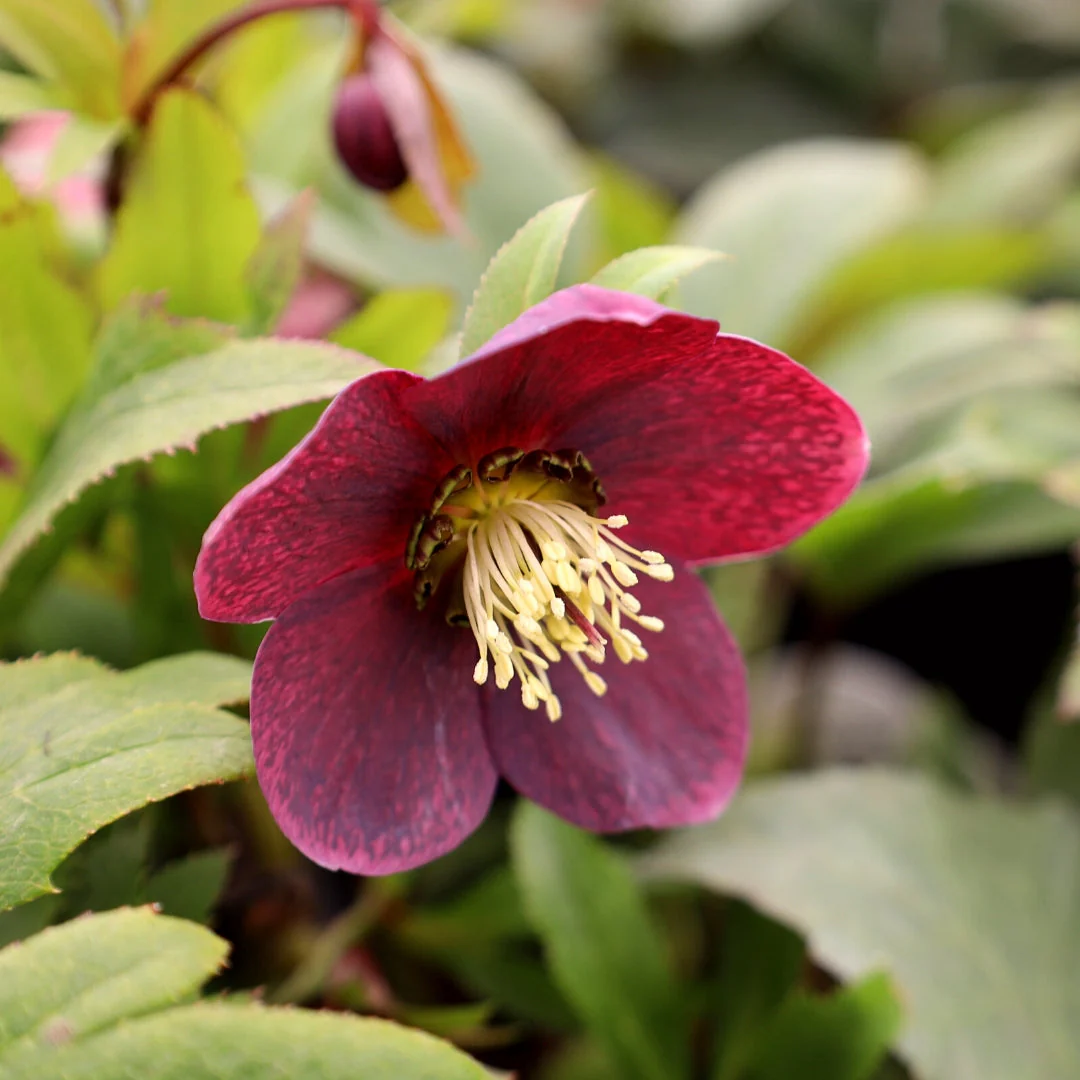
Viv Victoria Hellebore is the kind of plant that changes the calendar in your garden. Instead of a short late-winter show, this variety is known for an extra-long bloom season that can begin in fall and keep going through winter into spring. The flowers are rich, dramatic purple with a softer dusty-pink tone on the reverse, so the blooms look dimensional as they nod and catch the light. When everything else is fading or still asleep, ViV Victoria is already performing.
This is the hellebore you place where you’ll see it often near an entry, along a walkway, beside a patio, or right outside a window. It’s especially powerful in a woodland-style border, where the deep flower color reads elegant against mulch, stone, and evergreen greens. If your goal is dependable color during the quiet season (and not just a two-week cameo), ViV Victoria is built for that job.
Evergreen Structure That Keeps Shade Beds Looking Designed
Even when it isn’t in bloom, Viv Victoria looks like it belongs in a “finished” garden. The foliage forms a compact, tidy clump of deep green, leathery leaves that hold well through the seasons, staying evergreen to semi-evergreen depending on winter conditions. That structure matters in shade gardens and under deciduous trees, where many perennials disappear, leaving gaps. ViV Victoria keeps the bed grounded and intentional year-round.
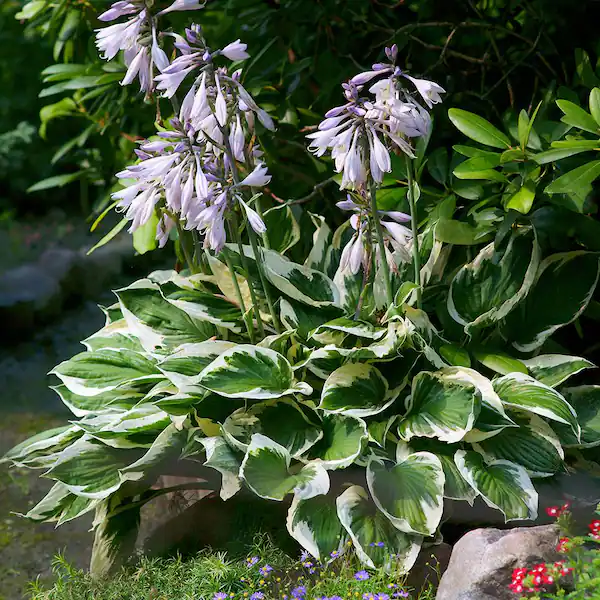
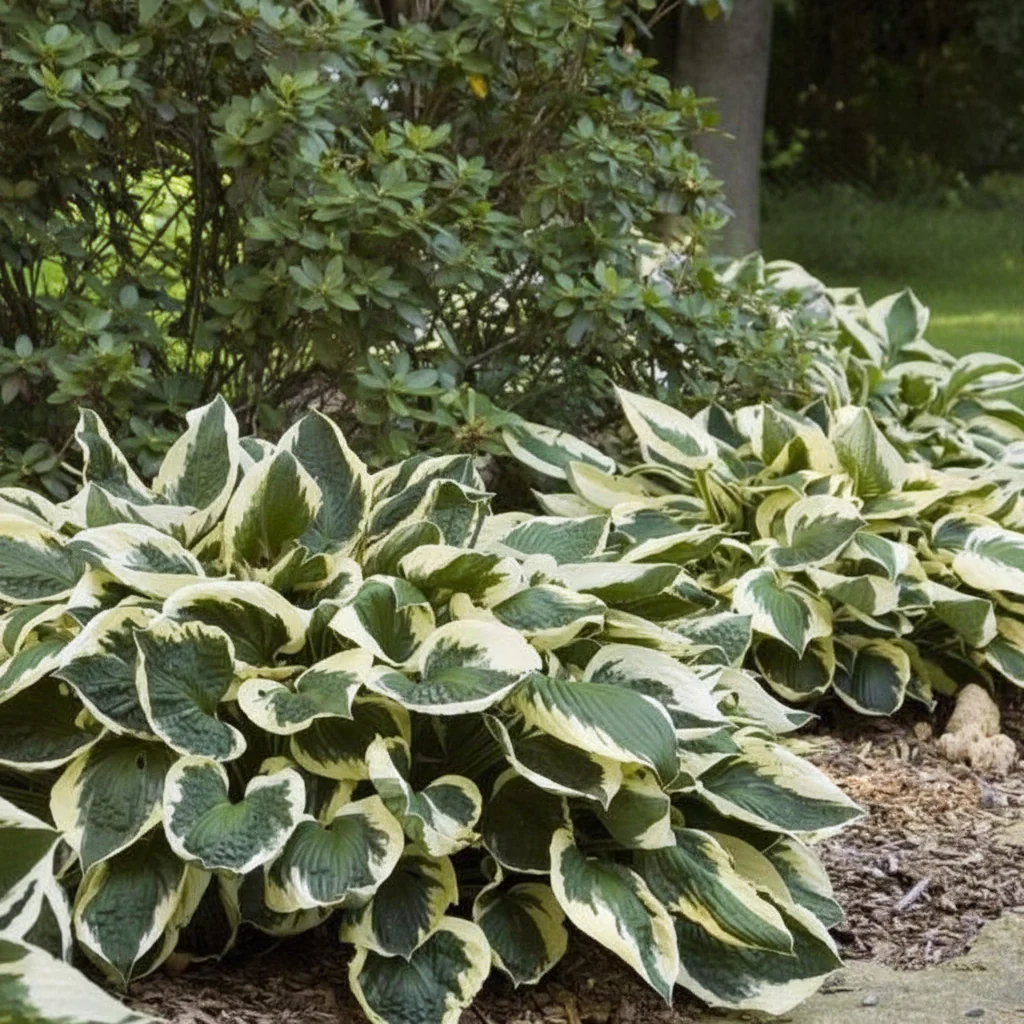
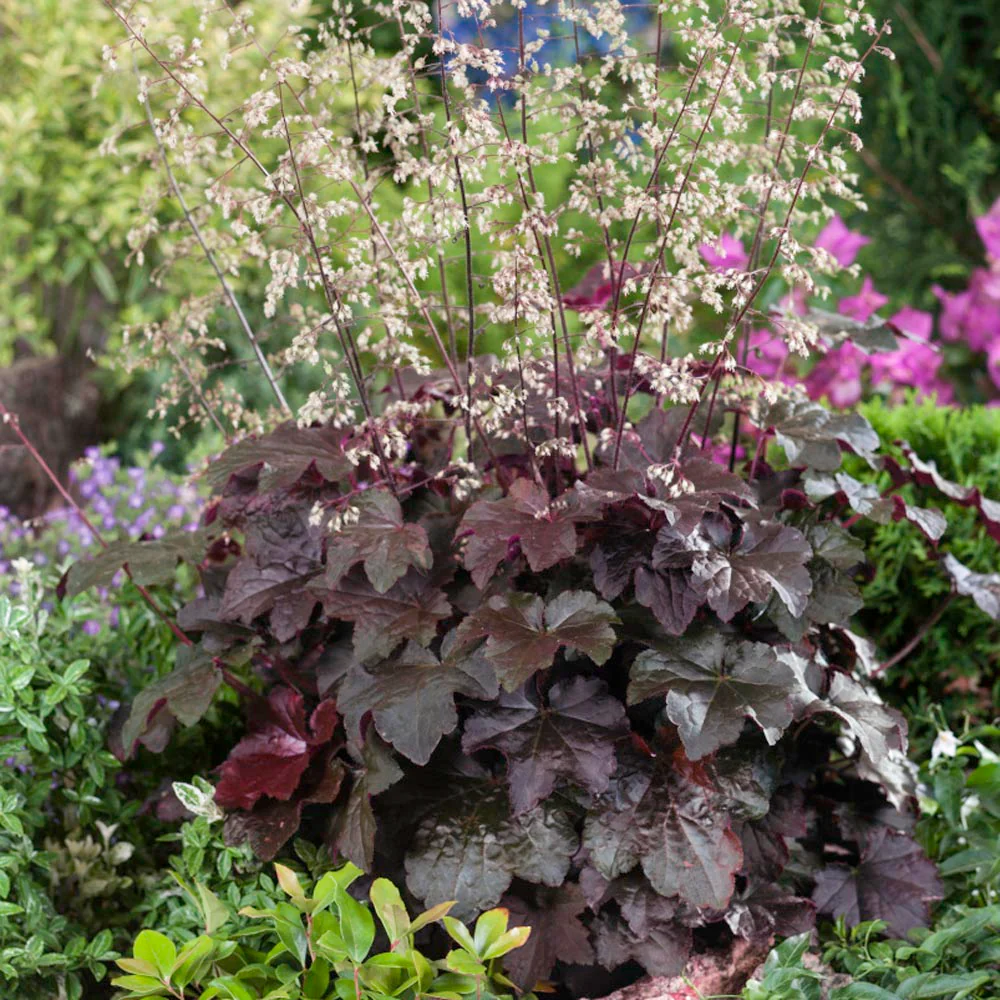
Use it as a front-of-border anchor, repeat it in small drifts along a woodland edge, or tuck it beneath shrubs to create a clean, evergreen base layer. The leaves pair beautifully with hostas, ferns, heuchera, epimedium, and shade grasses, adding texture without becoming messy. It’s a simple way to make a shade planting feel more permanent and designed—especially in late fall and winter.
Sun Tolerance, Deer Resistance, And Low-Fuss Reliability
One of the standout benefits of Viv Victoria is its ability to handle brighter exposures than many hellebores. In many gardens, it tolerates more sun (especially in cooler climates or with morning sun), which opens up placement options beyond deep shade. Plant it in well-drained, organic-rich soil, keep it evenly moist while it establishes, and it settles into a durable perennial that doesn’t demand constant attention.
It’s also generally deer and rabbit-resistant, which makes it a smart “plant once, enjoy for years” choice in browsing-prone areas. There’s no staking, no high-maintenance bloom routine, and no need to baby it through every weather swing. The main success factors are simple: good drainage, steady moisture in year one, and one seasonal cleanup so flowers aren’t hidden by older leaves.
A Compact Choice For Containers, Borders, And High-Impact Repeats
Viv Victoria’s compact habit makes it ideal for tight spaces and refined design. At the front of a border, it reads crisp and intentional. In small groups, it creates a rhythmic, high-end look, especially when you repeat it along a path or in front of evergreen shrubs. And in containers, it’s a star: it brings real bloom season to patios and entries when pots are usually bare, then keeps going with evergreen foliage after the flowers.
To lock in that “designer” finish, give each plant enough room to mature into a full clump, then do a late-winter leaf cleanup to showcase the blooms. That one step makes the purple flowers look brighter and more visible, and it keeps the plant looking polished. If you want months of color in a compact, easy-care perennial, Viv Victoria is the kind of hellebore you build with.
Months Of Purple Blooms That Bridge Fall, Winter, And Spring
Viv Victoria Hellebore is the kind of plant that changes the calendar in your garden. Instead of a short late-winter show, this variety is known for an extra-long bloom season that can begin in fall and keep going through winter into spring. The flowers are rich, dramatic purple with a softer dusty-pink tone on the reverse, so the blooms look dimensional as they nod and catch the light. When everything else is fading or still asleep, ViV Victoria is already performing.
This is the hellebore you place where you’ll see it often near an entry, along a walkway, beside a patio, or right outside a window. It’s especially powerful in a woodland-style border, where the deep flower color reads elegant against mulch, stone, and evergreen greens. If your goal is dependable color during the quiet season (and not just a two-week cameo), ViV Victoria is built for that job.
Evergreen Structure That Keeps Shade Beds Looking Designed
Even when it isn’t in bloom, Viv Victoria looks like it belongs in a “finished” garden. The foliage forms a compact, tidy clump of deep green, leathery leaves that hold well through the seasons, staying evergreen to semi-evergreen depending on winter conditions. That structure matters in shade gardens and under deciduous trees, where many perennials disappear, leaving gaps. ViV Victoria keeps the bed grounded and intentional year-round.
Use it as a front-of-border anchor, repeat it in small drifts along a woodland edge, or tuck it beneath shrubs to create a clean, evergreen base layer. The leaves pair beautifully with hostas, ferns, heuchera, epimedium, and shade grasses, adding texture without becoming messy. It’s a simple way to make a shade planting feel more permanent and designed—especially in late fall and winter.
Sun Tolerance, Deer Resistance, And Low-Fuss Reliability
One of the standout benefits of Viv Victoria is its ability to handle brighter exposures than many hellebores. In many gardens, it tolerates more sun (especially in cooler climates or with morning sun), which opens up placement options beyond deep shade. Plant it in well-drained, organic-rich soil, keep it evenly moist while it establishes, and it settles into a durable perennial that doesn’t demand constant attention.
It’s also generally deer and rabbit-resistant, which makes it a smart “plant once, enjoy for years” choice in browsing-prone areas. There’s no staking, no high-maintenance bloom routine, and no need to baby it through every weather swing. The main success factors are simple: good drainage, steady moisture in year one, and one seasonal cleanup so flowers aren’t hidden by older leaves.
A Compact Choice For Containers, Borders, And High-Impact Repeats
Viv Victoria’s compact habit makes it ideal for tight spaces and refined design. At the front of a border, it reads crisp and intentional. In small groups, it creates a rhythmic, high-end look, especially when you repeat it along a path or in front of evergreen shrubs. And in containers, it’s a star: it brings real bloom season to patios and entries when pots are usually bare, then keeps going with evergreen foliage after the flowers.
To lock in that “designer” finish, give each plant enough room to mature into a full clump, then do a late-winter leaf cleanup to showcase the blooms. That one step makes the purple flowers look brighter and more visible, and it keeps the plant looking polished. If you want months of color in a compact, easy-care perennial, Viv Victoria is the kind of hellebore you build with.
Description
Months Of Purple Blooms That Bridge Fall, Winter, And Spring
Viv Victoria Hellebore is the kind of plant that changes the calendar in your garden. Instead of a short late-winter show, this variety is known for an extra-long bloom season that can begin in fall and keep going through winter into spring. The flowers are rich, dramatic purple with a softer dusty-pink tone on the reverse, so the blooms look dimensional as they nod and catch the light. When everything else is fading or still asleep, ViV Victoria is already performing.
This is the hellebore you place where you’ll see it often near an entry, along a walkway, beside a patio, or right outside a window. It’s especially powerful in a woodland-style border, where the deep flower color reads elegant against mulch, stone, and evergreen greens. If your goal is dependable color during the quiet season (and not just a two-week cameo), ViV Victoria is built for that job.
Evergreen Structure That Keeps Shade Beds Looking Designed
Even when it isn’t in bloom, Viv Victoria looks like it belongs in a “finished” garden. The foliage forms a compact, tidy clump of deep green, leathery leaves that hold well through the seasons, staying evergreen to semi-evergreen depending on winter conditions. That structure matters in shade gardens and under deciduous trees, where many perennials disappear, leaving gaps. ViV Victoria keeps the bed grounded and intentional year-round.
Use it as a front-of-border anchor, repeat it in small drifts along a woodland edge, or tuck it beneath shrubs to create a clean, evergreen base layer. The leaves pair beautifully with hostas, ferns, heuchera, epimedium, and shade grasses, adding texture without becoming messy. It’s a simple way to make a shade planting feel more permanent and designed—especially in late fall and winter.
Sun Tolerance, Deer Resistance, And Low-Fuss Reliability
One of the standout benefits of Viv Victoria is its ability to handle brighter exposures than many hellebores. In many gardens, it tolerates more sun (especially in cooler climates or with morning sun), which opens up placement options beyond deep shade. Plant it in well-drained, organic-rich soil, keep it evenly moist while it establishes, and it settles into a durable perennial that doesn’t demand constant attention.
It’s also generally deer and rabbit-resistant, which makes it a smart “plant once, enjoy for years” choice in browsing-prone areas. There’s no staking, no high-maintenance bloom routine, and no need to baby it through every weather swing. The main success factors are simple: good drainage, steady moisture in year one, and one seasonal cleanup so flowers aren’t hidden by older leaves.
A Compact Choice For Containers, Borders, And High-Impact Repeats
Viv Victoria’s compact habit makes it ideal for tight spaces and refined design. At the front of a border, it reads crisp and intentional. In small groups, it creates a rhythmic, high-end look, especially when you repeat it along a path or in front of evergreen shrubs. And in containers, it’s a star: it brings real bloom season to patios and entries when pots are usually bare, then keeps going with evergreen foliage after the flowers.
To lock in that “designer” finish, give each plant enough room to mature into a full clump, then do a late-winter leaf cleanup to showcase the blooms. That one step makes the purple flowers look brighter and more visible, and it keeps the plant looking polished. If you want months of color in a compact, easy-care perennial, Viv Victoria is the kind of hellebore you build with.