Caesar’s Brother Iris
A Classic Purple Siberian Iris.
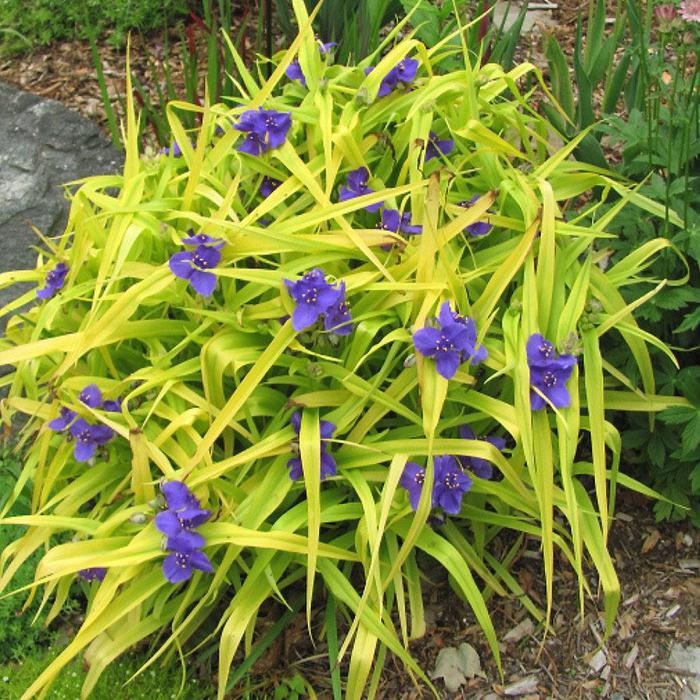
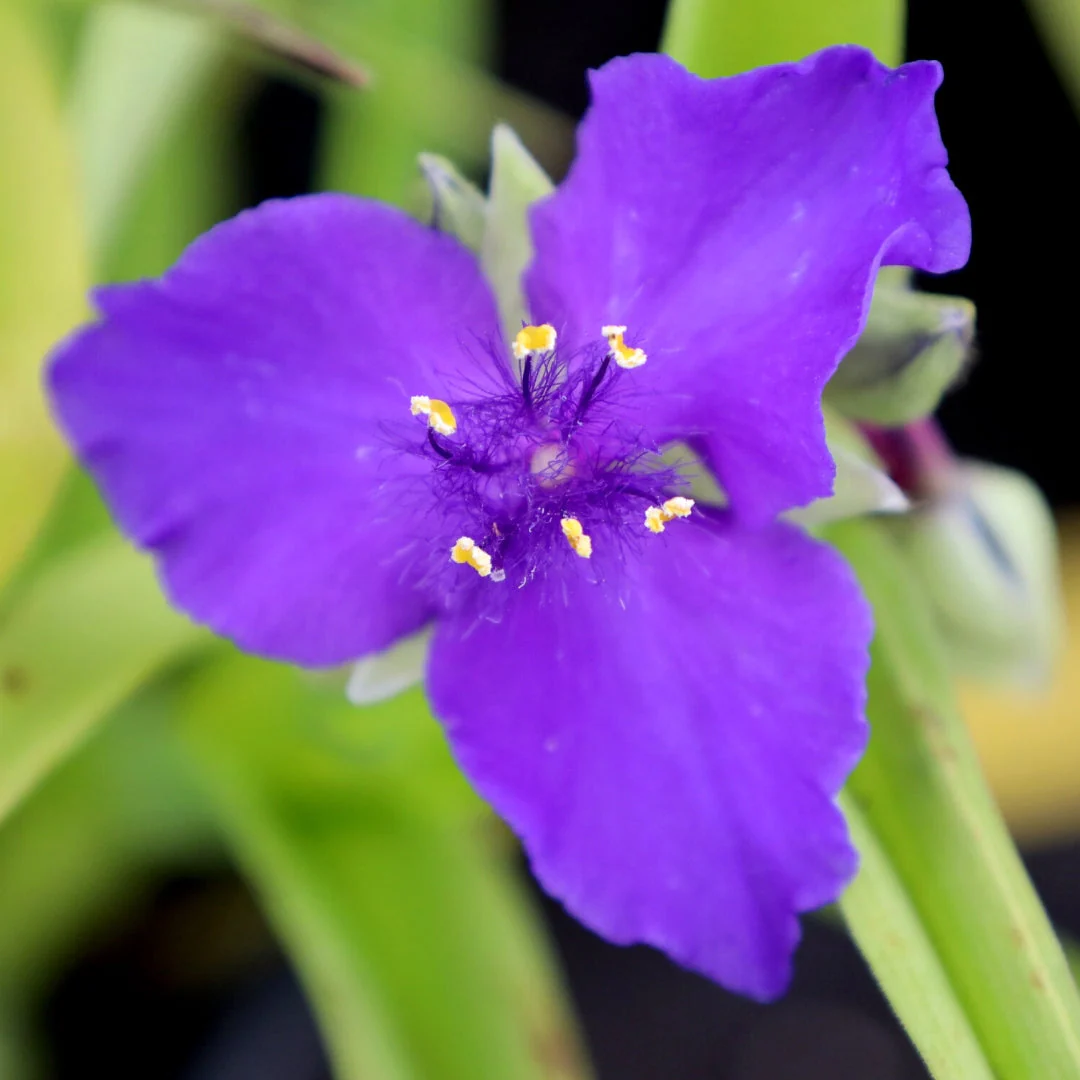
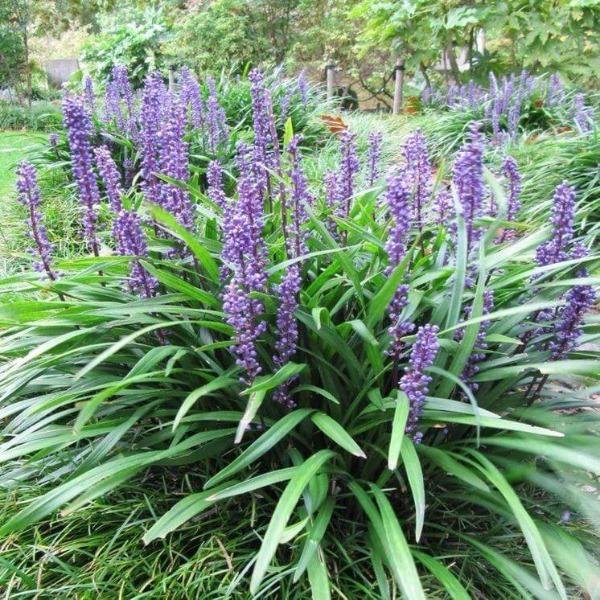
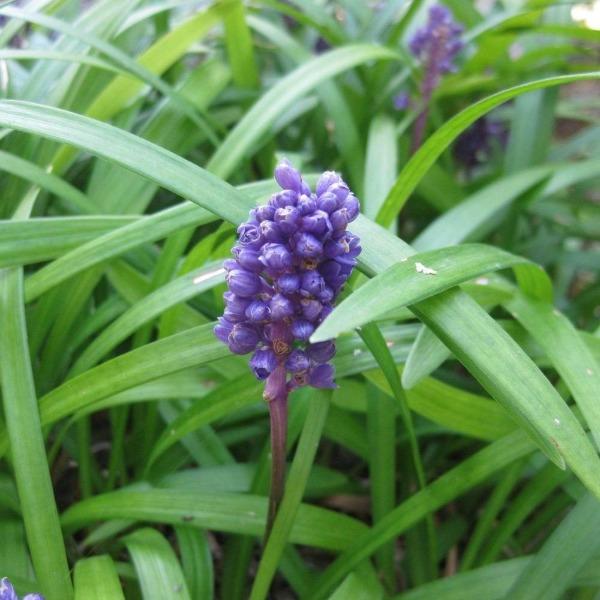
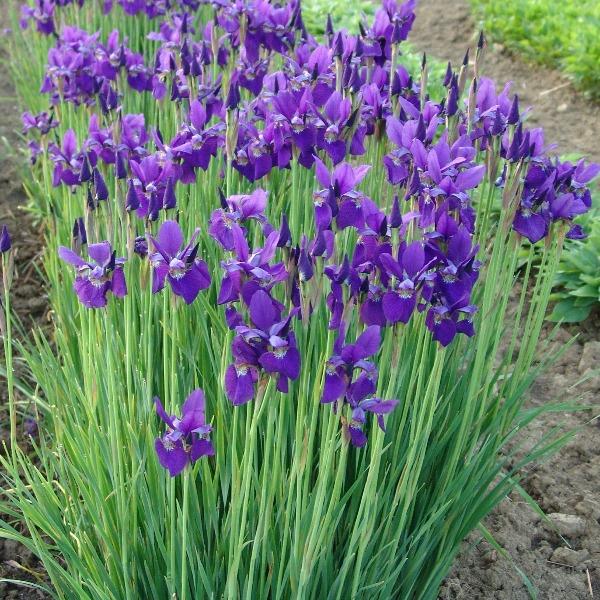
Caesar’s Brother Iris is a beloved Siberian iris grown for its deep violet-purple flowers, graceful beardless form, and refined garden presence. The blooms appear in late spring to early summer, rising above narrow green foliage that gives the plant a clean, upright texture. It is an excellent choice when you want rich iris color without the heavier, more formal look of bearded iris.
Graceful Foliage Beyond the Bloom Season.
After flowering, Caesar’s Brother continues to earn its place in the garden with attractive, sword-like foliage that resembles an ornamental grass. The narrow leaves create vertical texture in perennial borders, cottage gardens, rain gardens, pond-edge plantings, and meadow-style designs. Use it in groups or drifts for the strongest visual effect, especially where the foliage can contrast with broad-leaved perennials.
Moisture-Loving but Not a Water Iris.
Siberian iris performs best in moist, fertile, well-drained soil. Caesar’s Brother is a great choice for low areas that stay evenly moist, rain gardens with good drainage, and borders near ponds or streams. It can tolerate occasional wetness during the growing season, but it should not be planted in standing water year-round. Think of a moist border plant rather than a true aquatic iris.
Deer Resistant and Pollinator Friendly.
Caesar’s Brother Iris is generally considered deer resistant, making it useful in sunny and partly shaded gardens where browsing pressure is common. The flowers may attract bees, butterflies, and other beneficial pollinators during the bloom season. Its long-lived clumping habit also makes it a dependable perennial for gardeners who want beauty with relatively low maintenance.
Best in Sun, Moist Soil, and Room to Clump.
Plant Caesar’s Brother Iris in full sun to part shade with moisture-retentive, well-drained soil. Full sun encourages the strongest bloom, while afternoon shade can be helpful in hotter climates. Water consistently during establishment and avoid letting young plants dry out. Divide clumps every few years if flowering declines or the center becomes crowded.
A Classic Purple Siberian Iris.
Caesar’s Brother Iris is a beloved Siberian iris grown for its deep violet-purple flowers, graceful beardless form, and refined garden presence. The blooms appear in late spring to early summer, rising above narrow green foliage that gives the plant a clean, upright texture. It is an excellent choice when you want rich iris color without the heavier, more formal look of bearded iris.
Graceful Foliage Beyond the Bloom Season.
After flowering, Caesar’s Brother continues to earn its place in the garden with attractive, sword-like foliage that resembles an ornamental grass. The narrow leaves create vertical texture in perennial borders, cottage gardens, rain gardens, pond-edge plantings, and meadow-style designs. Use it in groups or drifts for the strongest visual effect, especially where the foliage can contrast with broad-leaved perennials.
Moisture-Loving but Not a Water Iris.
Siberian iris performs best in moist, fertile, well-drained soil. Caesar’s Brother is a great choice for low areas that stay evenly moist, rain gardens with good drainage, and borders near ponds or streams. It can tolerate occasional wetness during the growing season, but it should not be planted in standing water year-round. Think of a moist border plant rather than a true aquatic iris.
Deer Resistant and Pollinator Friendly.
Caesar’s Brother Iris is generally considered deer resistant, making it useful in sunny and partly shaded gardens where browsing pressure is common. The flowers may attract bees, butterflies, and other beneficial pollinators during the bloom season. Its long-lived clumping habit also makes it a dependable perennial for gardeners who want beauty with relatively low maintenance.
Best in Sun, Moist Soil, and Room to Clump.
Plant Caesar’s Brother Iris in full sun to part shade with moisture-retentive, well-drained soil. Full sun encourages the strongest bloom, while afternoon shade can be helpful in hotter climates. Water consistently during establishment and avoid letting young plants dry out. Divide clumps every few years if flowering declines or the center becomes crowded.
Original: $28.95
-70%$28.95
$8.68Description
A Classic Purple Siberian Iris.
Caesar’s Brother Iris is a beloved Siberian iris grown for its deep violet-purple flowers, graceful beardless form, and refined garden presence. The blooms appear in late spring to early summer, rising above narrow green foliage that gives the plant a clean, upright texture. It is an excellent choice when you want rich iris color without the heavier, more formal look of bearded iris.
Graceful Foliage Beyond the Bloom Season.
After flowering, Caesar’s Brother continues to earn its place in the garden with attractive, sword-like foliage that resembles an ornamental grass. The narrow leaves create vertical texture in perennial borders, cottage gardens, rain gardens, pond-edge plantings, and meadow-style designs. Use it in groups or drifts for the strongest visual effect, especially where the foliage can contrast with broad-leaved perennials.
Moisture-Loving but Not a Water Iris.
Siberian iris performs best in moist, fertile, well-drained soil. Caesar’s Brother is a great choice for low areas that stay evenly moist, rain gardens with good drainage, and borders near ponds or streams. It can tolerate occasional wetness during the growing season, but it should not be planted in standing water year-round. Think of a moist border plant rather than a true aquatic iris.
Deer Resistant and Pollinator Friendly.
Caesar’s Brother Iris is generally considered deer resistant, making it useful in sunny and partly shaded gardens where browsing pressure is common. The flowers may attract bees, butterflies, and other beneficial pollinators during the bloom season. Its long-lived clumping habit also makes it a dependable perennial for gardeners who want beauty with relatively low maintenance.
Best in Sun, Moist Soil, and Room to Clump.
Plant Caesar’s Brother Iris in full sun to part shade with moisture-retentive, well-drained soil. Full sun encourages the strongest bloom, while afternoon shade can be helpful in hotter climates. Water consistently during establishment and avoid letting young plants dry out. Divide clumps every few years if flowering declines or the center becomes crowded.