Lamium White Nancy
Bright Silver Foliage for Dark Shade Beds
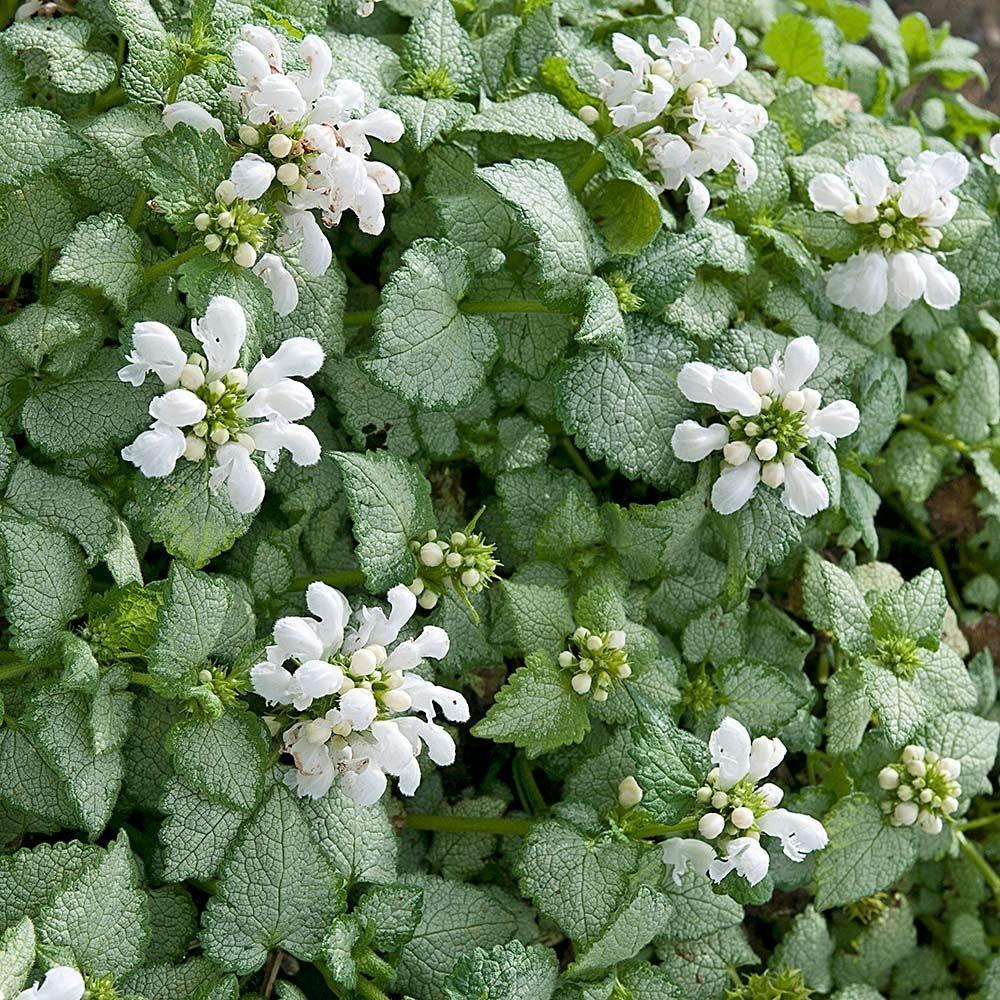
White Nancy Lamium is a low-growing perennial groundcover grown for its silvery-white foliage, green leaf margins, and clean white flowers. Also known as White Nancy Spotted Deadnettle, this shade-loving perennial is one of the best groundcovers for brightening darker areas under trees, along shaded walkways, and in woodland-style beds.
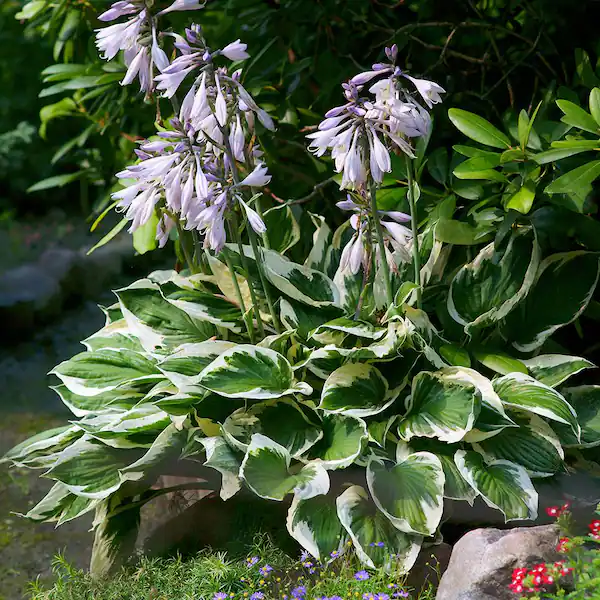
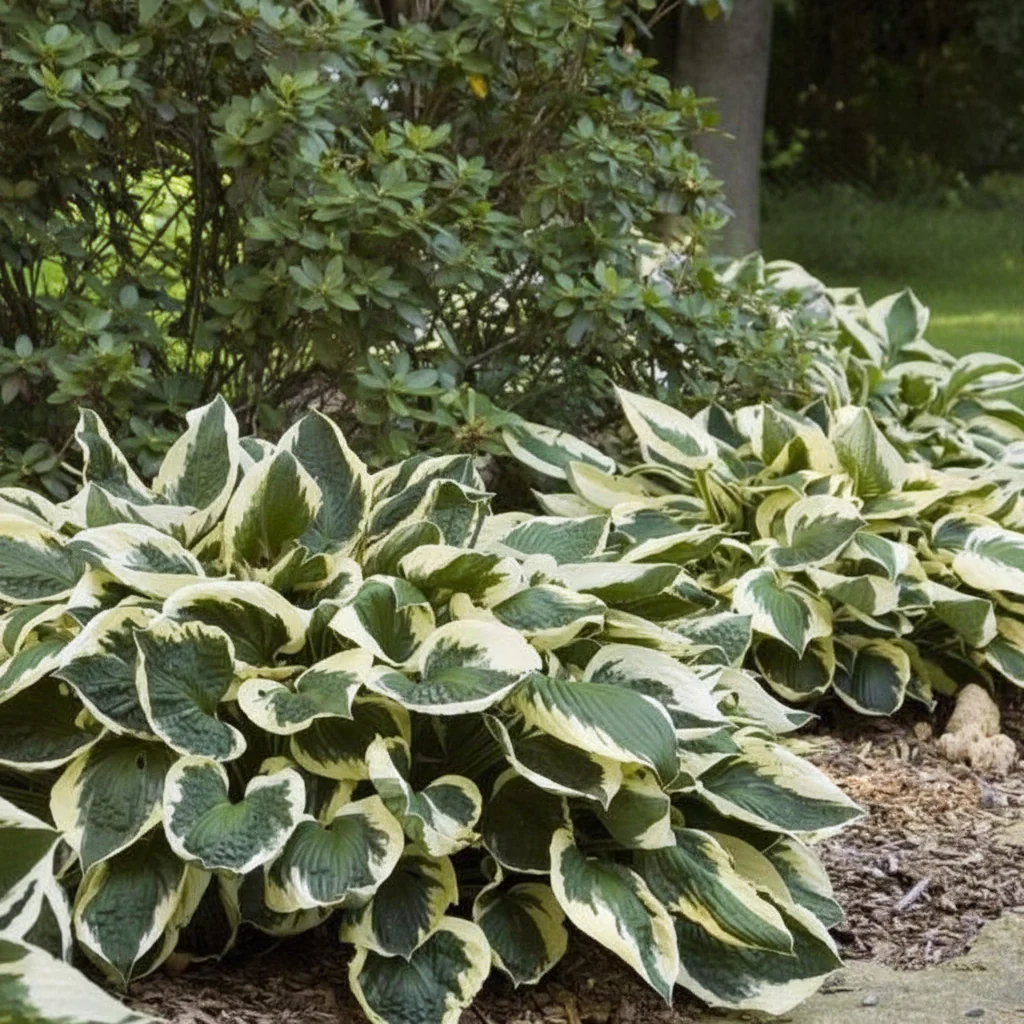
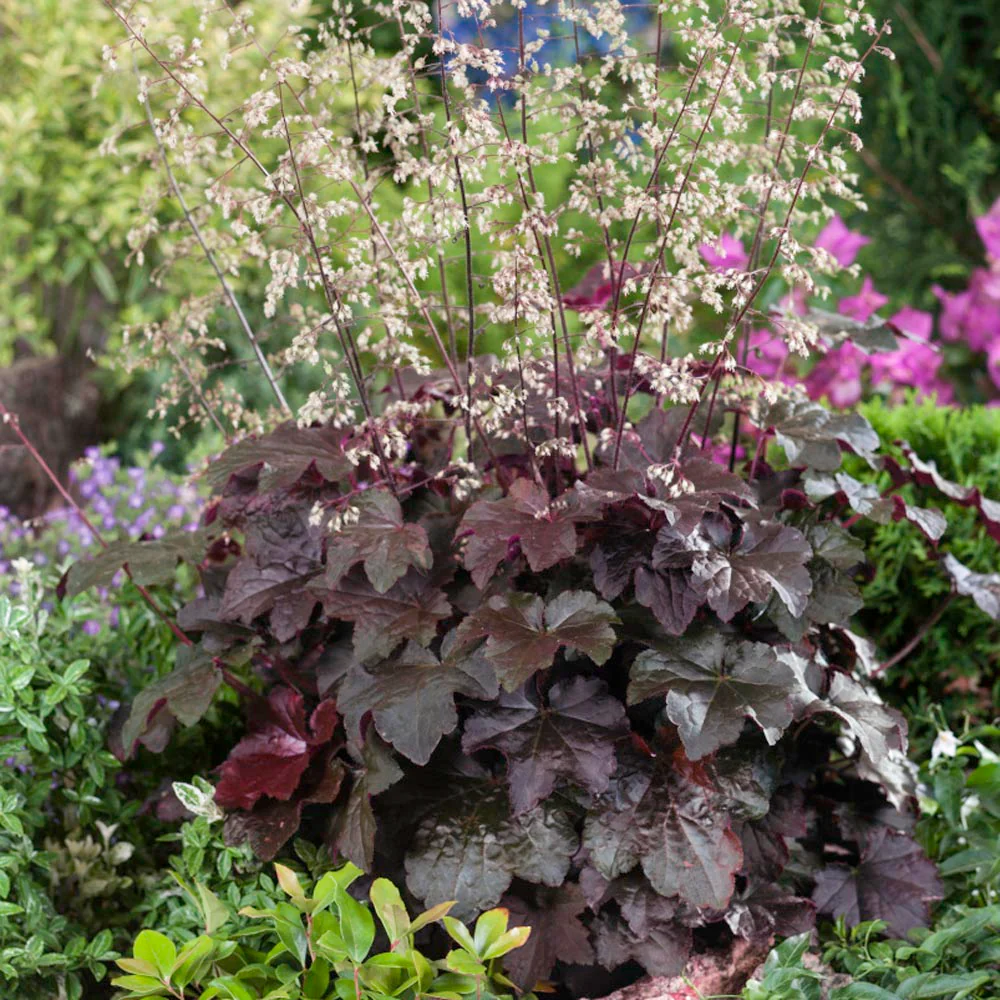
The light foliage is the main feature for much of the year. It reflects light beautifully in shade, creating a soft, cool-toned carpet that pairs well with darker green hostas, ferns, hellebores, heuchera, brunnera, astilbe, and carex.
White Flowers for a Clean Spring Display
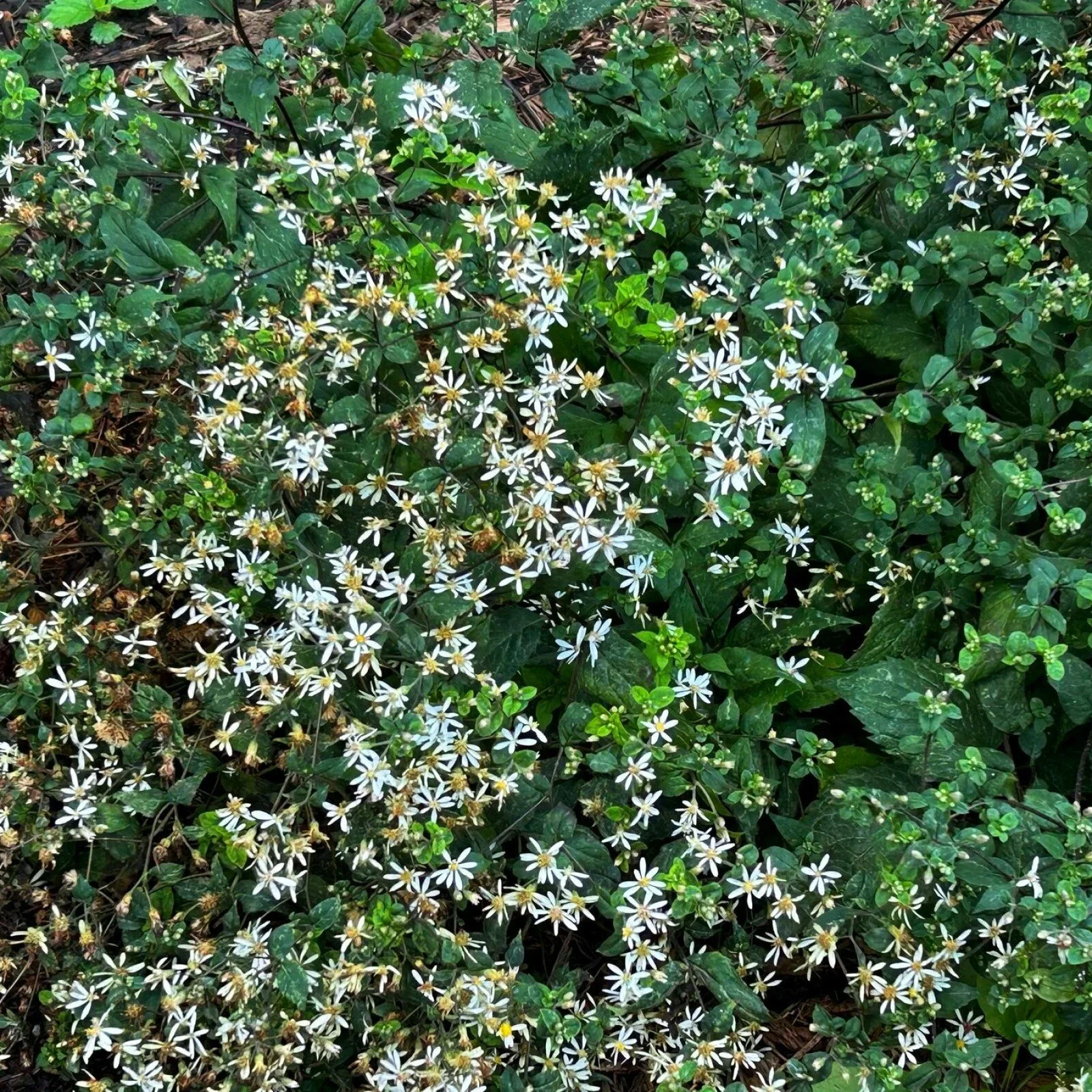
In late spring to early summer, White Nancy Lamium produces clusters of small, hooded white flowers above the foliage. The white flowers blend naturally with the silvery leaves, creating a refined, fresh look in part-shade and full-shade plantings.
In favorable conditions, White Nancy may continue flowering lightly after the main spring bloom. Even when flowers are absent, the foliage remains highly ornamental and keeps the planting bright, tidy, and useful throughout the season.
A Low Groundcover for Shade, Edging, and Containers
White Nancy Lamium stays low and spreads outward, making it useful as a shade groundcover, border edging plant, pathway softener, container spiller, or filler between larger shade perennials. Its trailing stems root as they spread, forming a mat that covers bare soil and reduces weed pressure.
Use it beneath shrubs, under small ornamental trees, along shaded foundations, on gentle shaded slopes, or in containers where the silver foliage can spill over the edge. It is best for ornamental coverage rather than heavy foot traffic.
Deer Resistant, Rabbit Resistant, and Low Maintenance
White Nancy Lamium is generally considered deer-resistant and rabbit-resistant, making it a practical choice for shaded gardens where browsing pressure can be frustrating. While no plant is completely deer-proof, Lamium is often less appealing than many softer shade perennials.
Once established, it is easy to maintain. Trim it back as needed to control spread, refresh tired foliage, or keep bed edges neat. This makes White Nancy a smart choice for gardeners who want attractive shade coverage without constant upkeep.
Easy Care in Part Shade to Full Shade
Plant White Nancy Lamium in part shade to full shade with moist, well-drained soil. It can tolerate some dry shade once established, but it looks best with consistent moisture and good drainage. Avoid compacted, soggy, or poorly drained soil, especially in winter.
Water regularly after planting until roots establish. Fertilizer is rarely needed in average garden soil. If plants become thin, leggy, or tired-looking after bloom, shear lightly to encourage fresh foliage and a denser groundcover mat.
Bright Silver Foliage for Dark Shade Beds
White Nancy Lamium is a low-growing perennial groundcover grown for its silvery-white foliage, green leaf margins, and clean white flowers. Also known as White Nancy Spotted Deadnettle, this shade-loving perennial is one of the best groundcovers for brightening darker areas under trees, along shaded walkways, and in woodland-style beds.
The light foliage is the main feature for much of the year. It reflects light beautifully in shade, creating a soft, cool-toned carpet that pairs well with darker green hostas, ferns, hellebores, heuchera, brunnera, astilbe, and carex.
White Flowers for a Clean Spring Display
In late spring to early summer, White Nancy Lamium produces clusters of small, hooded white flowers above the foliage. The white flowers blend naturally with the silvery leaves, creating a refined, fresh look in part-shade and full-shade plantings.
In favorable conditions, White Nancy may continue flowering lightly after the main spring bloom. Even when flowers are absent, the foliage remains highly ornamental and keeps the planting bright, tidy, and useful throughout the season.
A Low Groundcover for Shade, Edging, and Containers
White Nancy Lamium stays low and spreads outward, making it useful as a shade groundcover, border edging plant, pathway softener, container spiller, or filler between larger shade perennials. Its trailing stems root as they spread, forming a mat that covers bare soil and reduces weed pressure.
Use it beneath shrubs, under small ornamental trees, along shaded foundations, on gentle shaded slopes, or in containers where the silver foliage can spill over the edge. It is best for ornamental coverage rather than heavy foot traffic.
Deer Resistant, Rabbit Resistant, and Low Maintenance
White Nancy Lamium is generally considered deer-resistant and rabbit-resistant, making it a practical choice for shaded gardens where browsing pressure can be frustrating. While no plant is completely deer-proof, Lamium is often less appealing than many softer shade perennials.
Once established, it is easy to maintain. Trim it back as needed to control spread, refresh tired foliage, or keep bed edges neat. This makes White Nancy a smart choice for gardeners who want attractive shade coverage without constant upkeep.
Easy Care in Part Shade to Full Shade
Plant White Nancy Lamium in part shade to full shade with moist, well-drained soil. It can tolerate some dry shade once established, but it looks best with consistent moisture and good drainage. Avoid compacted, soggy, or poorly drained soil, especially in winter.
Water regularly after planting until roots establish. Fertilizer is rarely needed in average garden soil. If plants become thin, leggy, or tired-looking after bloom, shear lightly to encourage fresh foliage and a denser groundcover mat.
Original: $24.95
-70%$24.95
$7.48Description
Bright Silver Foliage for Dark Shade Beds
White Nancy Lamium is a low-growing perennial groundcover grown for its silvery-white foliage, green leaf margins, and clean white flowers. Also known as White Nancy Spotted Deadnettle, this shade-loving perennial is one of the best groundcovers for brightening darker areas under trees, along shaded walkways, and in woodland-style beds.
The light foliage is the main feature for much of the year. It reflects light beautifully in shade, creating a soft, cool-toned carpet that pairs well with darker green hostas, ferns, hellebores, heuchera, brunnera, astilbe, and carex.
White Flowers for a Clean Spring Display
In late spring to early summer, White Nancy Lamium produces clusters of small, hooded white flowers above the foliage. The white flowers blend naturally with the silvery leaves, creating a refined, fresh look in part-shade and full-shade plantings.
In favorable conditions, White Nancy may continue flowering lightly after the main spring bloom. Even when flowers are absent, the foliage remains highly ornamental and keeps the planting bright, tidy, and useful throughout the season.
A Low Groundcover for Shade, Edging, and Containers
White Nancy Lamium stays low and spreads outward, making it useful as a shade groundcover, border edging plant, pathway softener, container spiller, or filler between larger shade perennials. Its trailing stems root as they spread, forming a mat that covers bare soil and reduces weed pressure.
Use it beneath shrubs, under small ornamental trees, along shaded foundations, on gentle shaded slopes, or in containers where the silver foliage can spill over the edge. It is best for ornamental coverage rather than heavy foot traffic.
Deer Resistant, Rabbit Resistant, and Low Maintenance
White Nancy Lamium is generally considered deer-resistant and rabbit-resistant, making it a practical choice for shaded gardens where browsing pressure can be frustrating. While no plant is completely deer-proof, Lamium is often less appealing than many softer shade perennials.
Once established, it is easy to maintain. Trim it back as needed to control spread, refresh tired foliage, or keep bed edges neat. This makes White Nancy a smart choice for gardeners who want attractive shade coverage without constant upkeep.
Easy Care in Part Shade to Full Shade
Plant White Nancy Lamium in part shade to full shade with moist, well-drained soil. It can tolerate some dry shade once established, but it looks best with consistent moisture and good drainage. Avoid compacted, soggy, or poorly drained soil, especially in winter.
Water regularly after planting until roots establish. Fertilizer is rarely needed in average garden soil. If plants become thin, leggy, or tired-looking after bloom, shear lightly to encourage fresh foliage and a denser groundcover mat.