Provence Lavender
Classic Lavender Fragrance with French Garden Style.
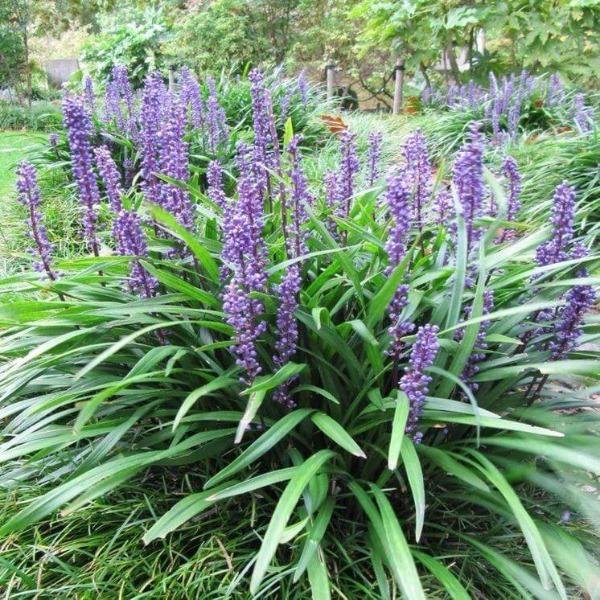
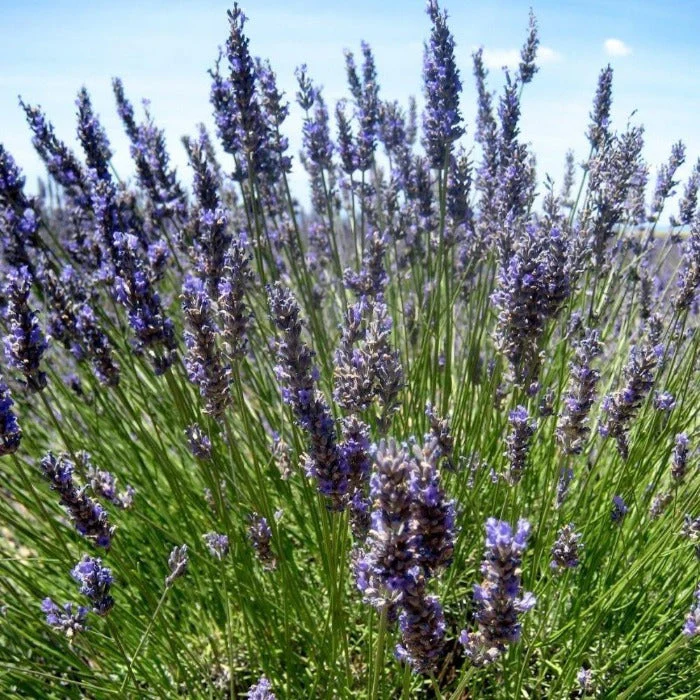
Provence Lavender is a highly fragrant lavandin grown for its purple flower spikes, silvery-green foliage, and classic Mediterranean garden appeal. Named for the lavender-growing region of Provence, France, this variety brings the look and scent of lavender fields into sunny home landscapes. Use it in herb gardens, cottage borders, pollinator plantings, low hedges, containers, and cut flower beds where fragrance matters as much as color.
Tall Flower Stems for Cutting and Drying.
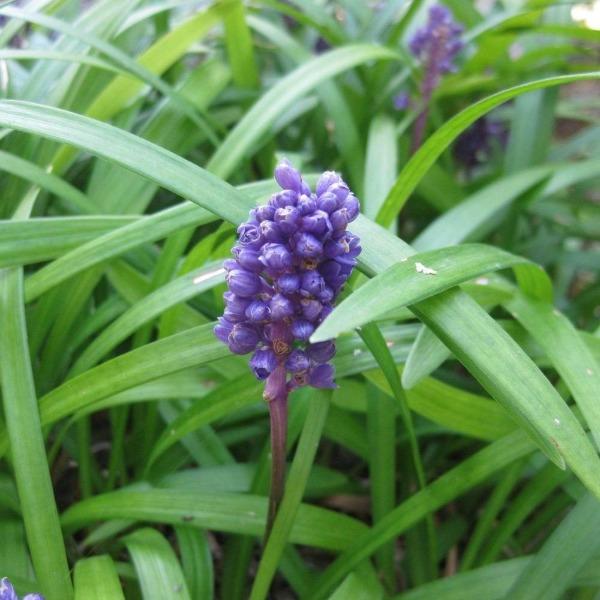
Provence Lavender produces slender purple flower spikes on tall stems in summer, making it a strong choice for fresh bouquets, dried bundles, sachets, wreaths, and fragrant indoor arrangements. The flowers retain their scent well when properly harvested and dried. Even when not in bloom, the aromatic foliage adds texture, fragrance, and a cool silver-green contrast to sunny plantings.
Pollinator Friendly and Deer Resistant.
The fragrant purple blooms attract bees, butterflies, and other beneficial pollinators during the summer flowering season. At the same time, the aromatic oils that make lavender so useful to gardeners help make it less appealing to deer. No plant is completely deer-proof, but Provence Lavender is a strong option for sunny landscapes where deer resistance and pollinator value are both important.
Drought-tolerant once established.
Once established, Provence Lavender performs well in dry, sunny landscapes and usually needs little supplemental water. It is a good fit for gravel gardens, herb gardens, rock gardens, sunny foundation beds, cottage gardens, and low-water perennial borders. Avoid rich, wet soil and heavy fertilizer, which can encourage soft growth and reduce the dense, aromatic habit lavender is known for.
Best in Full Sun and Excellent Drainage.
Plant Provence Lavender in full sun with sharply drained soil. Raised beds, slopes, gravelly soil, sandy soil, and containers with drainage holes can all help improve long-term success. In humid climates, air circulation and dry crowns are especially important. Avoid overwatering, wet winter soil, and heavy mulch against the stems. Prune lightly after flowering and again in spring as needed to maintain a compact, full plant.
Classic Lavender Fragrance with French Garden Style.
Provence Lavender is a highly fragrant lavandin grown for its purple flower spikes, silvery-green foliage, and classic Mediterranean garden appeal. Named for the lavender-growing region of Provence, France, this variety brings the look and scent of lavender fields into sunny home landscapes. Use it in herb gardens, cottage borders, pollinator plantings, low hedges, containers, and cut flower beds where fragrance matters as much as color.
Tall Flower Stems for Cutting and Drying.
Provence Lavender produces slender purple flower spikes on tall stems in summer, making it a strong choice for fresh bouquets, dried bundles, sachets, wreaths, and fragrant indoor arrangements. The flowers retain their scent well when properly harvested and dried. Even when not in bloom, the aromatic foliage adds texture, fragrance, and a cool silver-green contrast to sunny plantings.
Pollinator Friendly and Deer Resistant.
The fragrant purple blooms attract bees, butterflies, and other beneficial pollinators during the summer flowering season. At the same time, the aromatic oils that make lavender so useful to gardeners help make it less appealing to deer. No plant is completely deer-proof, but Provence Lavender is a strong option for sunny landscapes where deer resistance and pollinator value are both important.
Drought-tolerant once established.
Once established, Provence Lavender performs well in dry, sunny landscapes and usually needs little supplemental water. It is a good fit for gravel gardens, herb gardens, rock gardens, sunny foundation beds, cottage gardens, and low-water perennial borders. Avoid rich, wet soil and heavy fertilizer, which can encourage soft growth and reduce the dense, aromatic habit lavender is known for.
Best in Full Sun and Excellent Drainage.
Plant Provence Lavender in full sun with sharply drained soil. Raised beds, slopes, gravelly soil, sandy soil, and containers with drainage holes can all help improve long-term success. In humid climates, air circulation and dry crowns are especially important. Avoid overwatering, wet winter soil, and heavy mulch against the stems. Prune lightly after flowering and again in spring as needed to maintain a compact, full plant.
Original: $19.95
-70%$19.95
$5.98Description
Classic Lavender Fragrance with French Garden Style.
Provence Lavender is a highly fragrant lavandin grown for its purple flower spikes, silvery-green foliage, and classic Mediterranean garden appeal. Named for the lavender-growing region of Provence, France, this variety brings the look and scent of lavender fields into sunny home landscapes. Use it in herb gardens, cottage borders, pollinator plantings, low hedges, containers, and cut flower beds where fragrance matters as much as color.
Tall Flower Stems for Cutting and Drying.
Provence Lavender produces slender purple flower spikes on tall stems in summer, making it a strong choice for fresh bouquets, dried bundles, sachets, wreaths, and fragrant indoor arrangements. The flowers retain their scent well when properly harvested and dried. Even when not in bloom, the aromatic foliage adds texture, fragrance, and a cool silver-green contrast to sunny plantings.
Pollinator Friendly and Deer Resistant.
The fragrant purple blooms attract bees, butterflies, and other beneficial pollinators during the summer flowering season. At the same time, the aromatic oils that make lavender so useful to gardeners help make it less appealing to deer. No plant is completely deer-proof, but Provence Lavender is a strong option for sunny landscapes where deer resistance and pollinator value are both important.
Drought-tolerant once established.
Once established, Provence Lavender performs well in dry, sunny landscapes and usually needs little supplemental water. It is a good fit for gravel gardens, herb gardens, rock gardens, sunny foundation beds, cottage gardens, and low-water perennial borders. Avoid rich, wet soil and heavy fertilizer, which can encourage soft growth and reduce the dense, aromatic habit lavender is known for.
Best in Full Sun and Excellent Drainage.
Plant Provence Lavender in full sun with sharply drained soil. Raised beds, slopes, gravelly soil, sandy soil, and containers with drainage holes can all help improve long-term success. In humid climates, air circulation and dry crowns are especially important. Avoid overwatering, wet winter soil, and heavy mulch against the stems. Prune lightly after flowering and again in spring as needed to maintain a compact, full plant.