Morning Light Miscanthus
Fine White-Edged Foliage That Catches the Light
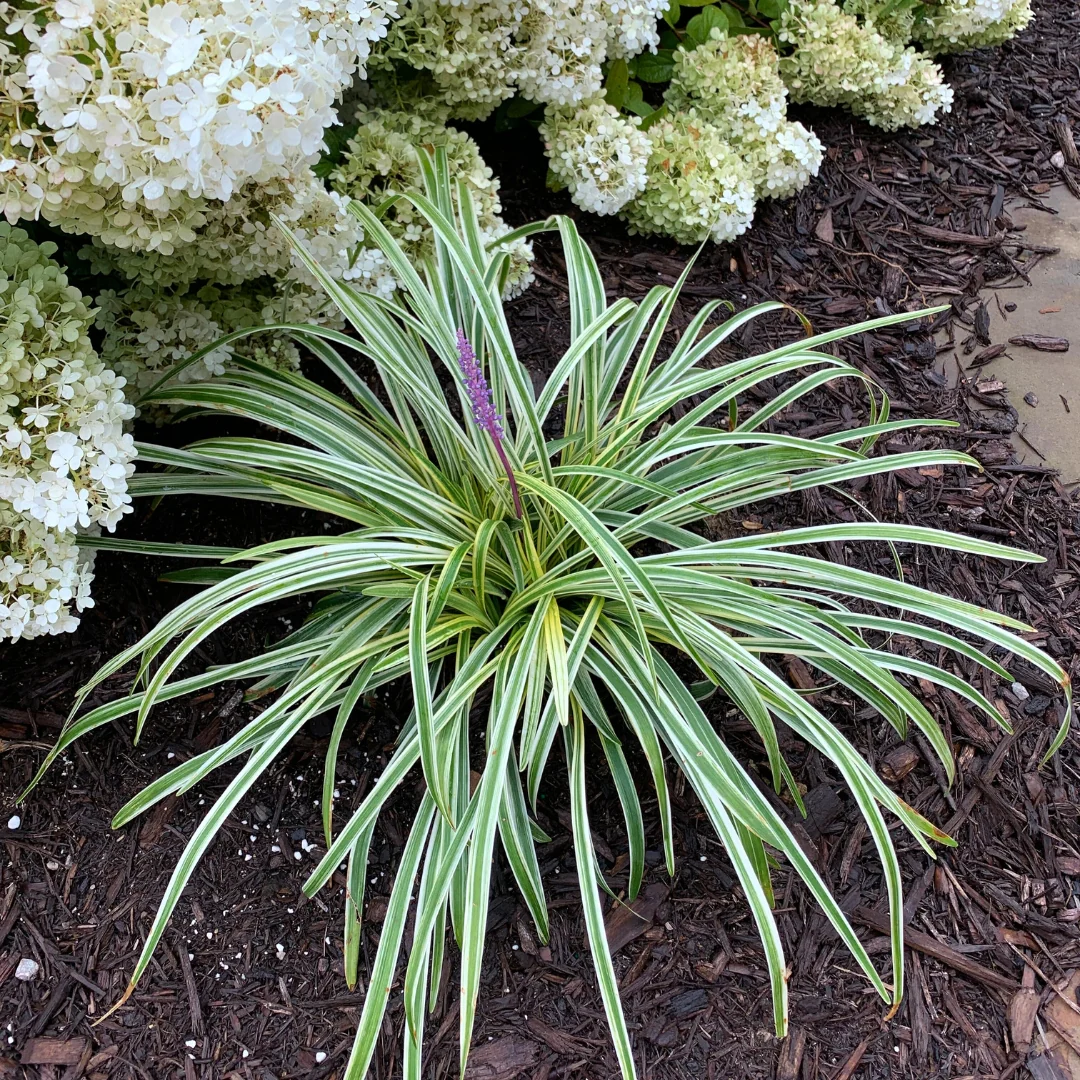
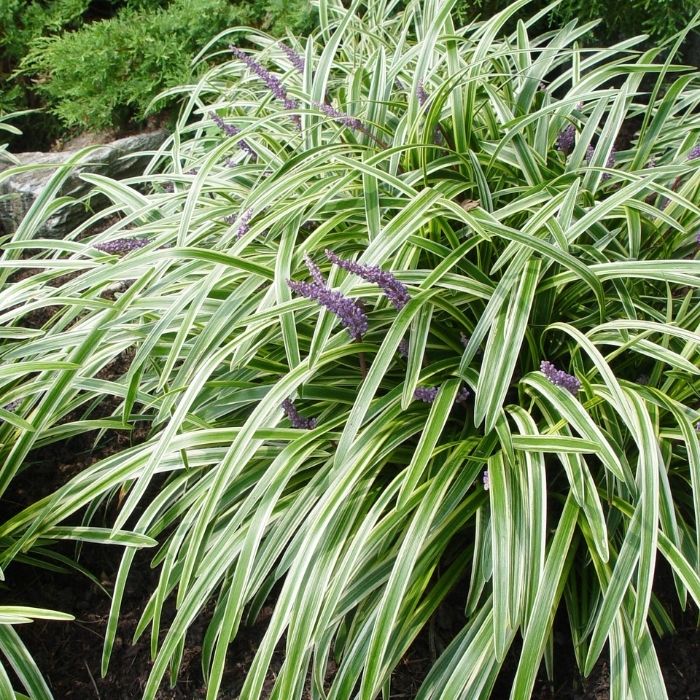
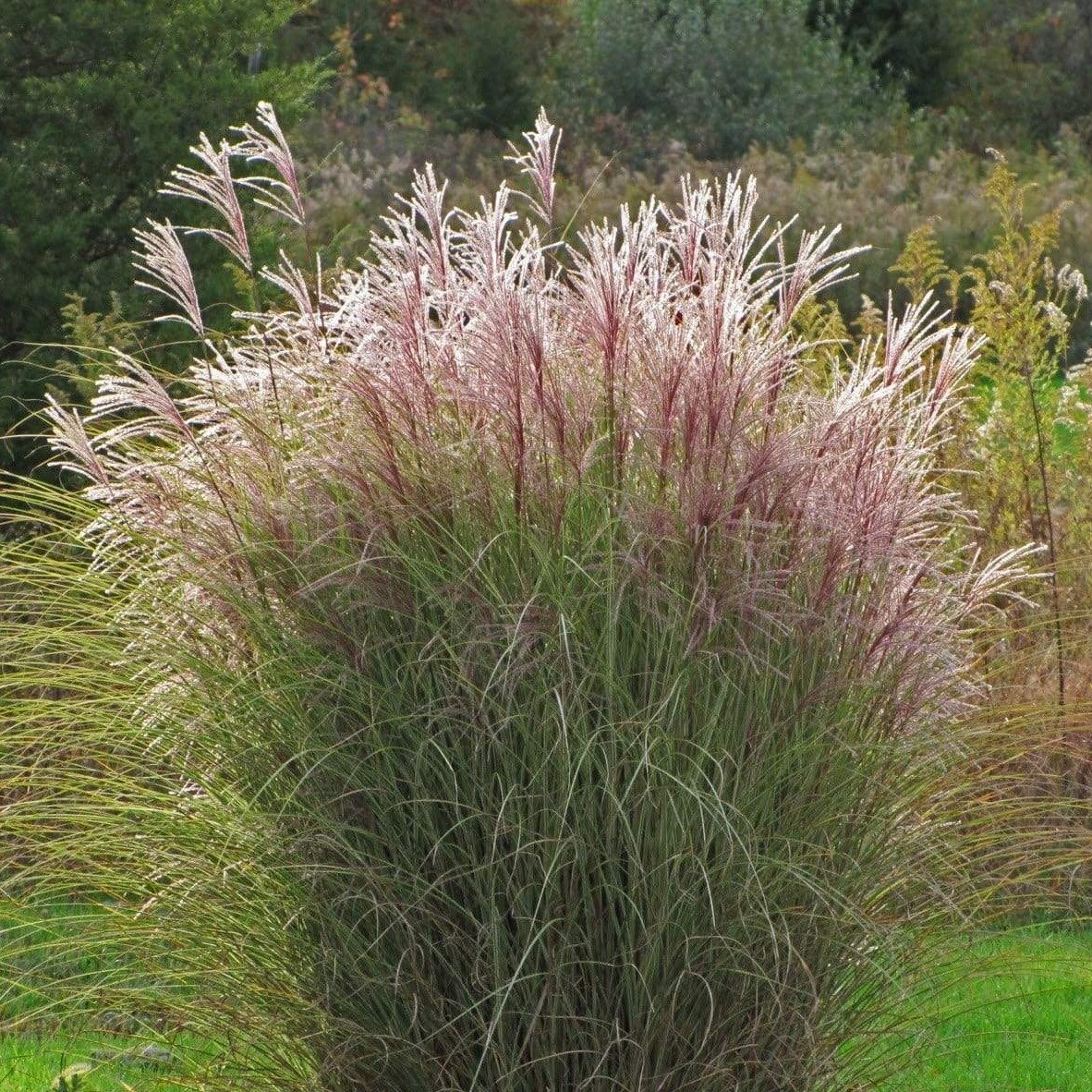
Morning Light Miscanthus is an elegant variegated maiden grass grown for its narrow green blades edged in fine white margins. Botanically known as Miscanthus sinensis ‘Morning Light’, this ornamental grass has a soft silver-green appearance from a distance and glows beautifully when backlit by morning or late-afternoon sun.
The foliage is finer and more luminous than many other Miscanthus varieties, making it especially useful where you want movement and texture without a heavy look. Use Morning Light near patios, walkways, foundation beds, sunny borders, and mixed perennial gardens where the fine variegation can be appreciated.
A Graceful Grass with Rounded, Upright Form
Morning Light Miscanthus forms a dense, rounded clump with upright-arching stems and leaves. Its shape is graceful and fountain-like, giving the garden structure while still feeling soft and natural.
This is a strong choice for homeowners who like the fine texture of Gracillimus but want a brighter, more variegated look. Morning Light works well as a specimen grass, a repeated border accent, a foundation texture, a low screen, or an elegant backdrop for sun-loving perennials.
Late-Season Plumes for Fall and Winter Interest
In late summer and fall, Morning Light Miscanthus can produce airy plumes that emerge in pink, red, or bronze tones before maturing to silver. The plumes rise above the foliage, adding soft texture, height, and movement late in the season.
Flowering can vary by region, sunlight, and length of growing season. Even in seasons with lighter bloom, the white-edged foliage, rounded form, fall color, and winter texture make Morning Light valuable from summer through winter.
Seasonal Color and Long-Lasting Structure
As temperatures cool, the foliage often shifts into yellow, orange, gold, or beige-tan tones before drying for winter. Left standing, the clump provides movement, texture, and structure after frost.
This winter presence helps sunny beds look intentional even after flowering perennials have gone dormant. Cut back the dried foliage in late winter or early spring, before new shoots begin to emerge.
Low Maintenance, Sun Loving, and Deer Resistant
Plant Morning Light Miscanthus in full sun for the strongest habit, best color, and most reliable plume production. It adapts to average, well-drained soil and becomes drought-tolerant once established, although regular watering during the first growing season helps the plant root in properly.
Morning Light is generally considered deer-resistant and low-maintenance. Avoid heavy fertilizing, which can encourage floppy growth. Because Miscanthus can reseed or be restricted in some regions, check local guidance before planting, especially near natural areas.
Fine White-Edged Foliage That Catches the Light
Morning Light Miscanthus is an elegant variegated maiden grass grown for its narrow green blades edged in fine white margins. Botanically known as Miscanthus sinensis ‘Morning Light’, this ornamental grass has a soft silver-green appearance from a distance and glows beautifully when backlit by morning or late-afternoon sun.
The foliage is finer and more luminous than many other Miscanthus varieties, making it especially useful where you want movement and texture without a heavy look. Use Morning Light near patios, walkways, foundation beds, sunny borders, and mixed perennial gardens where the fine variegation can be appreciated.
A Graceful Grass with Rounded, Upright Form
Morning Light Miscanthus forms a dense, rounded clump with upright-arching stems and leaves. Its shape is graceful and fountain-like, giving the garden structure while still feeling soft and natural.
This is a strong choice for homeowners who like the fine texture of Gracillimus but want a brighter, more variegated look. Morning Light works well as a specimen grass, a repeated border accent, a foundation texture, a low screen, or an elegant backdrop for sun-loving perennials.
Late-Season Plumes for Fall and Winter Interest
In late summer and fall, Morning Light Miscanthus can produce airy plumes that emerge in pink, red, or bronze tones before maturing to silver. The plumes rise above the foliage, adding soft texture, height, and movement late in the season.
Flowering can vary by region, sunlight, and length of growing season. Even in seasons with lighter bloom, the white-edged foliage, rounded form, fall color, and winter texture make Morning Light valuable from summer through winter.
Seasonal Color and Long-Lasting Structure
As temperatures cool, the foliage often shifts into yellow, orange, gold, or beige-tan tones before drying for winter. Left standing, the clump provides movement, texture, and structure after frost.
This winter presence helps sunny beds look intentional even after flowering perennials have gone dormant. Cut back the dried foliage in late winter or early spring, before new shoots begin to emerge.
Low Maintenance, Sun Loving, and Deer Resistant
Plant Morning Light Miscanthus in full sun for the strongest habit, best color, and most reliable plume production. It adapts to average, well-drained soil and becomes drought-tolerant once established, although regular watering during the first growing season helps the plant root in properly.
Morning Light is generally considered deer-resistant and low-maintenance. Avoid heavy fertilizing, which can encourage floppy growth. Because Miscanthus can reseed or be restricted in some regions, check local guidance before planting, especially near natural areas.
Original: $59.95
-70%$59.95
$17.98Description
Fine White-Edged Foliage That Catches the Light
Morning Light Miscanthus is an elegant variegated maiden grass grown for its narrow green blades edged in fine white margins. Botanically known as Miscanthus sinensis ‘Morning Light’, this ornamental grass has a soft silver-green appearance from a distance and glows beautifully when backlit by morning or late-afternoon sun.
The foliage is finer and more luminous than many other Miscanthus varieties, making it especially useful where you want movement and texture without a heavy look. Use Morning Light near patios, walkways, foundation beds, sunny borders, and mixed perennial gardens where the fine variegation can be appreciated.
A Graceful Grass with Rounded, Upright Form
Morning Light Miscanthus forms a dense, rounded clump with upright-arching stems and leaves. Its shape is graceful and fountain-like, giving the garden structure while still feeling soft and natural.
This is a strong choice for homeowners who like the fine texture of Gracillimus but want a brighter, more variegated look. Morning Light works well as a specimen grass, a repeated border accent, a foundation texture, a low screen, or an elegant backdrop for sun-loving perennials.
Late-Season Plumes for Fall and Winter Interest
In late summer and fall, Morning Light Miscanthus can produce airy plumes that emerge in pink, red, or bronze tones before maturing to silver. The plumes rise above the foliage, adding soft texture, height, and movement late in the season.
Flowering can vary by region, sunlight, and length of growing season. Even in seasons with lighter bloom, the white-edged foliage, rounded form, fall color, and winter texture make Morning Light valuable from summer through winter.
Seasonal Color and Long-Lasting Structure
As temperatures cool, the foliage often shifts into yellow, orange, gold, or beige-tan tones before drying for winter. Left standing, the clump provides movement, texture, and structure after frost.
This winter presence helps sunny beds look intentional even after flowering perennials have gone dormant. Cut back the dried foliage in late winter or early spring, before new shoots begin to emerge.
Low Maintenance, Sun Loving, and Deer Resistant
Plant Morning Light Miscanthus in full sun for the strongest habit, best color, and most reliable plume production. It adapts to average, well-drained soil and becomes drought-tolerant once established, although regular watering during the first growing season helps the plant root in properly.
Morning Light is generally considered deer-resistant and low-maintenance. Avoid heavy fertilizing, which can encourage floppy growth. Because Miscanthus can reseed or be restricted in some regions, check local guidance before planting, especially near natural areas.