Jacob Cline Bee Balm
Scarlet-red blooms that turn your garden into a hummingbird stop
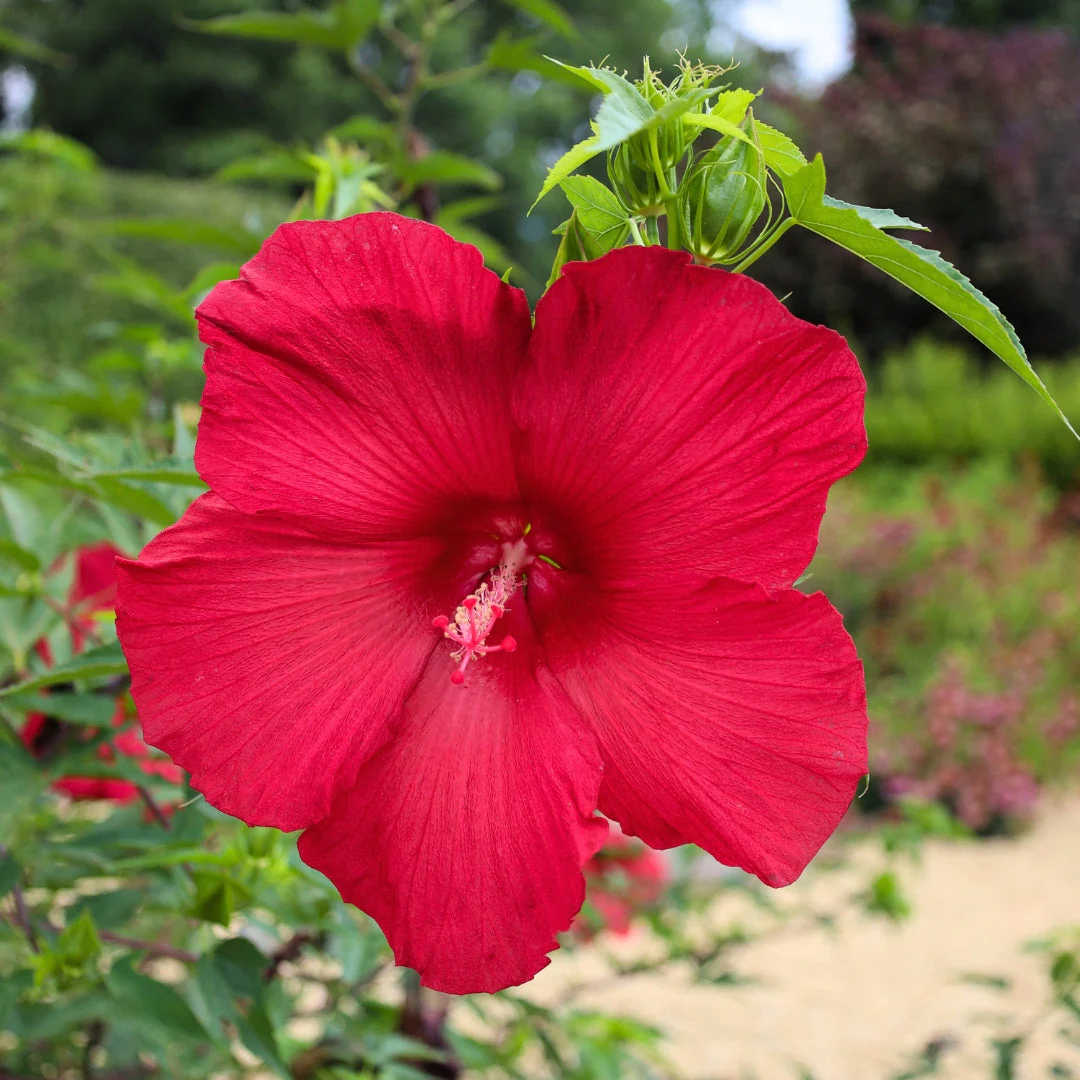
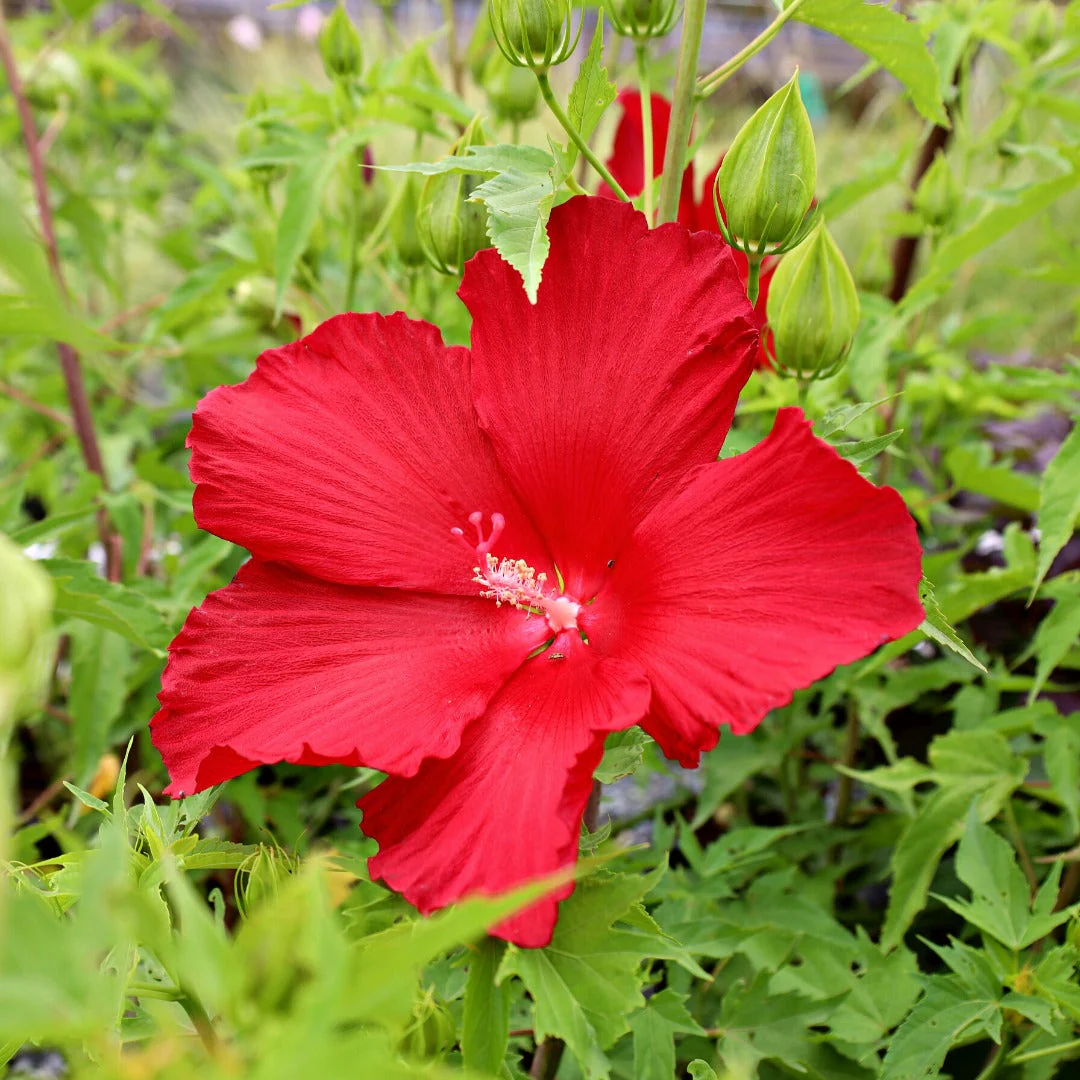
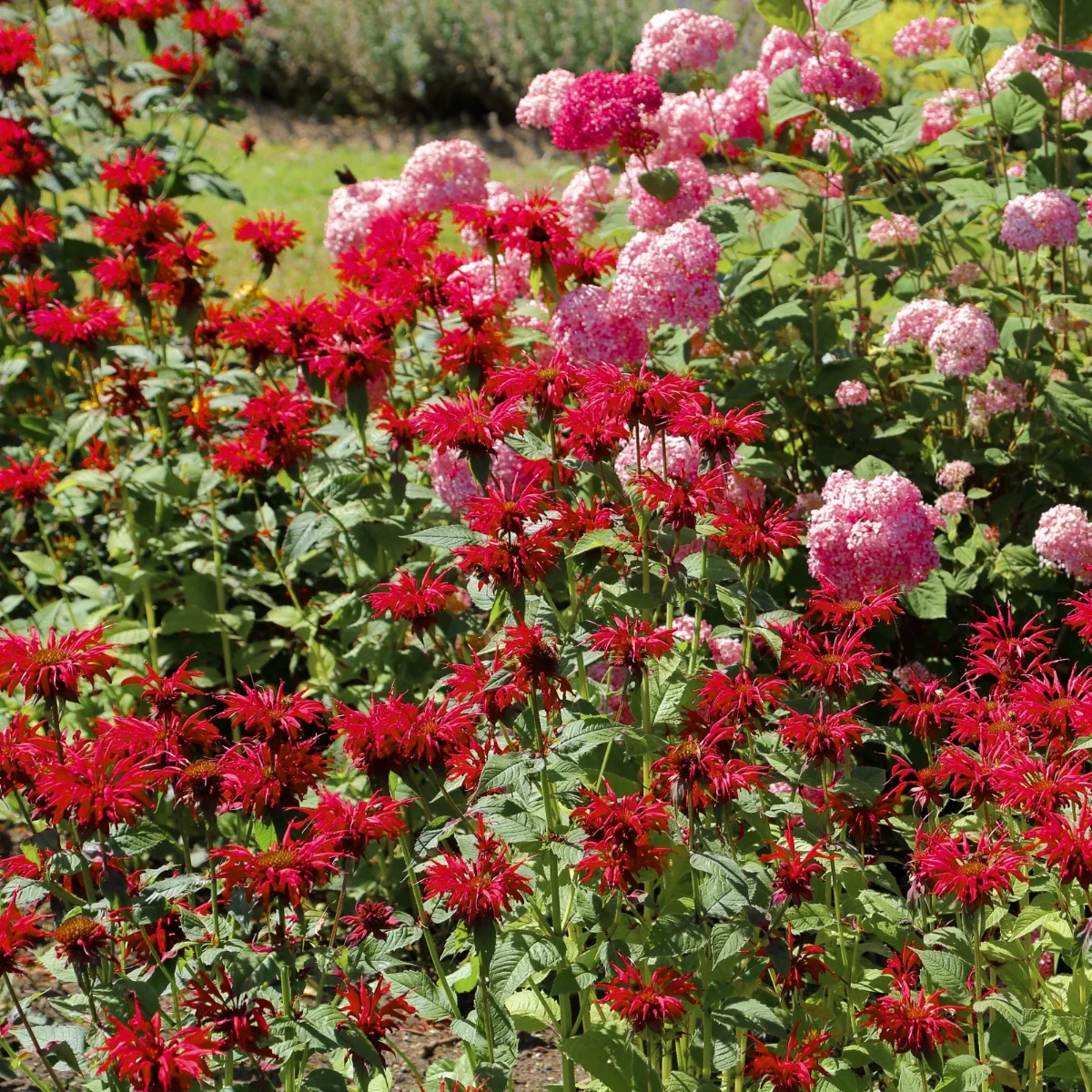
Jacob Cline Bee Balm is the classic “I saw it once and had to have it” perennial—tall, bold, and covered in saturated scarlet-red blooms right when summer gardens need a jolt. The flowers are shaped like shaggy crowns, stacking color at the top of strong stems so the plant reads from across the yard. In a border, it acts like a living exclamation point; in a mass, it becomes a full-on summer feature.
And yes, hummingbirds notice. Jacob Cline is famous for attracting them, along with bees and butterflies, making it one of the most rewarding pollinator perennials you can plant. Put it where you’ll see the action: near a patio, along a walkway, or behind lower perennials so the blooms hover at eye level and the movement becomes part of the garden experience.
Aromatic foliage and strong performance with better mildew resistance
Bee balm is loved for its fragrance as much as its flowers, and Jacob Cline delivers that spicy, herbal scent when brushed or crushed. The foliage forms a lush, upright clump that looks full throughout the growing season, and this cultivar is widely grown for its better powdery mildew resistance compared to many older monardas, especially when it gets sun and airflow.
“Mildew resistant” doesn’t mean “mildew proof,” but it does mean you can enjoy monarda with a lot less worry when you plant it smart. Give it full sun (or at least a strong half day), keep the soil evenly moist, and avoid crowding it in a tight wall of plants. Those simple moves keep leaves cleaner and the display more polished from early summer through bloom season.
A bold border builder that plays well in cottage, native, and rain-garden styles
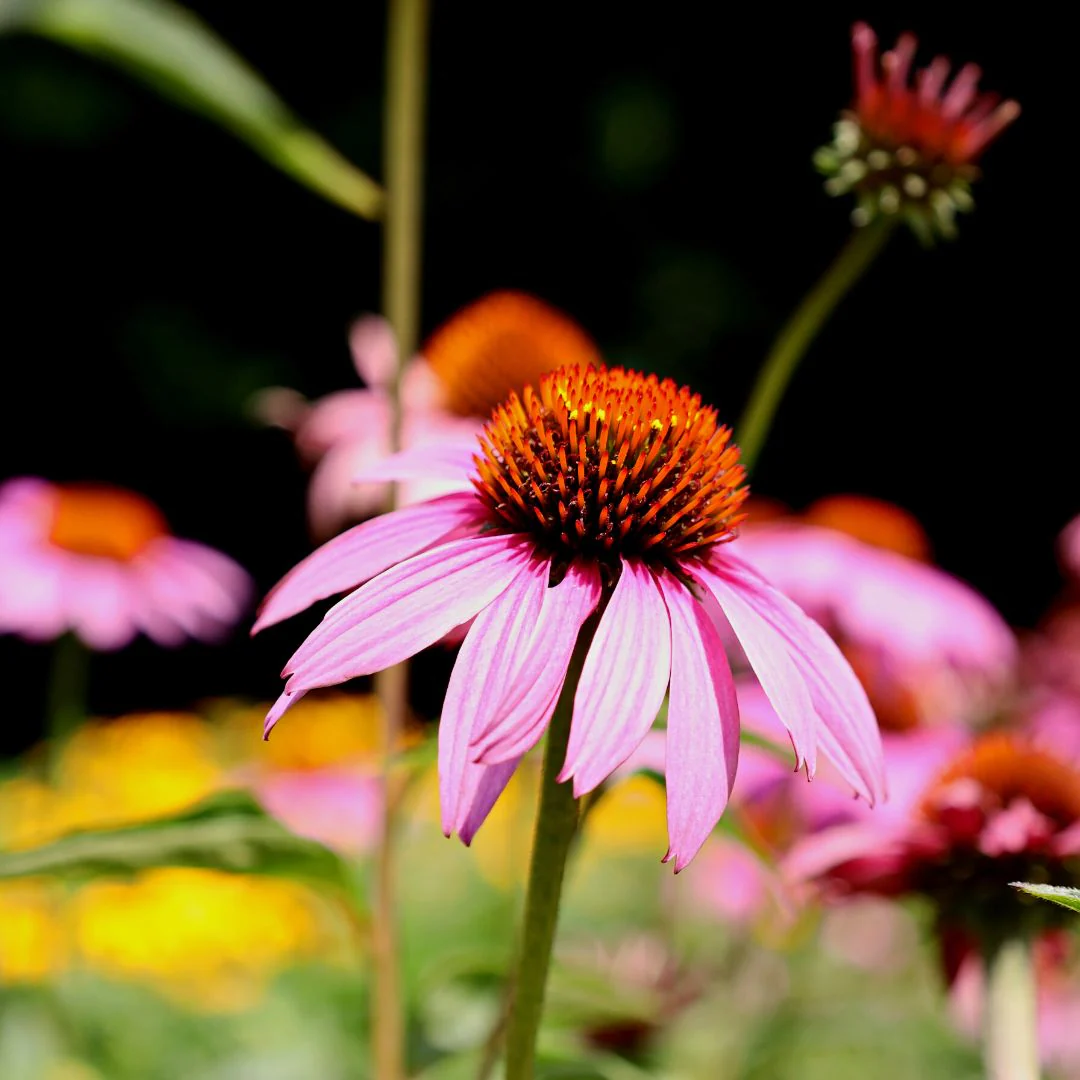
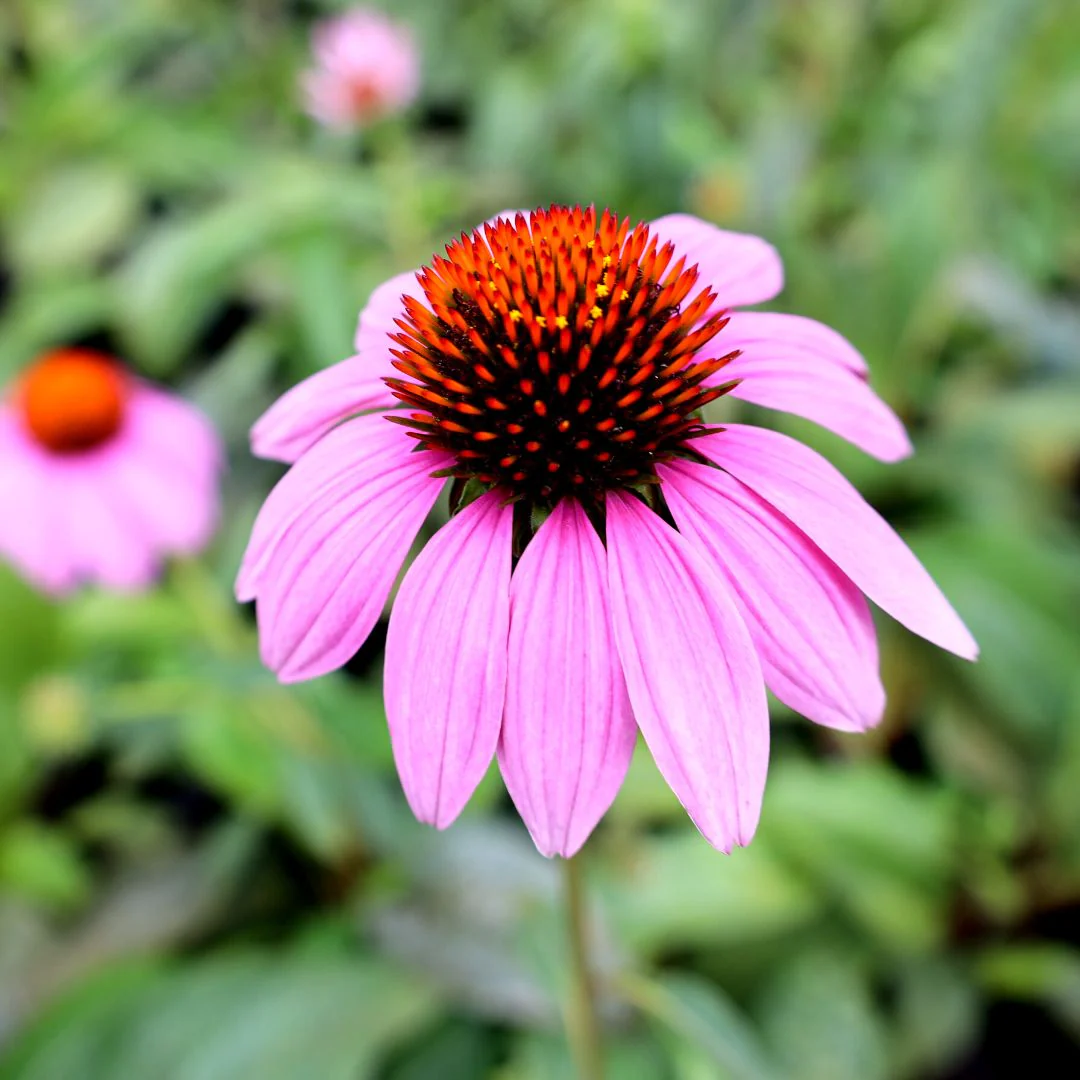
Jacob Cline is a natural fit for cottage gardens, native-inspired borders, and mixed perennial beds where you want height and color that still feels “garden authentic.” It pairs beautifully with coneflowers, rudbeckia, tall garden phlox, ornamental grasses, and summer-blooming shrubs, all of which can handle the same sun and moisture rhythm. The red blooms also pop against silver foliage and deep greens, giving you instant contrast without complicated design work.
It can spread slowly by rhizomes over time, which is a feature when you want it to fill in, and a management point when you want it to stay in bounds. The solution is simple: give it appropriate spacing up front and divide the clump every few years to refresh vigor. Done right, it becomes a long-lived, high-impact perennial you can build a summer border around.
Easy care with simple pruning for more blooms and a fuller clump
Jacob Cline doesn’t need babying, just good basics. Consistent moisture (especially in heat), decent soil fertility, and sunlight are the big three. Deadheading spent blooms can encourage additional flowering and keep the plant looking neat, and cutting stems back after flowering helps the clump reset cleanly for next year.
For the best-looking plant, treat airflow like a design tool. Space it correctly, avoid overhead watering late in the day, and thin nearby plants if the clump gets crowded. When you combine smart spacing with a once-in-a-while division, you get taller stems, cleaner foliage, and a bigger red bloom show—exactly what shoppers want when they choose bee balm.
Scarlet-red blooms that turn your garden into a hummingbird stop
Jacob Cline Bee Balm is the classic “I saw it once and had to have it” perennial—tall, bold, and covered in saturated scarlet-red blooms right when summer gardens need a jolt. The flowers are shaped like shaggy crowns, stacking color at the top of strong stems so the plant reads from across the yard. In a border, it acts like a living exclamation point; in a mass, it becomes a full-on summer feature.
And yes, hummingbirds notice. Jacob Cline is famous for attracting them, along with bees and butterflies, making it one of the most rewarding pollinator perennials you can plant. Put it where you’ll see the action: near a patio, along a walkway, or behind lower perennials so the blooms hover at eye level and the movement becomes part of the garden experience.
Aromatic foliage and strong performance with better mildew resistance
Bee balm is loved for its fragrance as much as its flowers, and Jacob Cline delivers that spicy, herbal scent when brushed or crushed. The foliage forms a lush, upright clump that looks full throughout the growing season, and this cultivar is widely grown for its better powdery mildew resistance compared to many older monardas, especially when it gets sun and airflow.
“Mildew resistant” doesn’t mean “mildew proof,” but it does mean you can enjoy monarda with a lot less worry when you plant it smart. Give it full sun (or at least a strong half day), keep the soil evenly moist, and avoid crowding it in a tight wall of plants. Those simple moves keep leaves cleaner and the display more polished from early summer through bloom season.
A bold border builder that plays well in cottage, native, and rain-garden styles
Jacob Cline is a natural fit for cottage gardens, native-inspired borders, and mixed perennial beds where you want height and color that still feels “garden authentic.” It pairs beautifully with coneflowers, rudbeckia, tall garden phlox, ornamental grasses, and summer-blooming shrubs, all of which can handle the same sun and moisture rhythm. The red blooms also pop against silver foliage and deep greens, giving you instant contrast without complicated design work.
It can spread slowly by rhizomes over time, which is a feature when you want it to fill in, and a management point when you want it to stay in bounds. The solution is simple: give it appropriate spacing up front and divide the clump every few years to refresh vigor. Done right, it becomes a long-lived, high-impact perennial you can build a summer border around.
Easy care with simple pruning for more blooms and a fuller clump
Jacob Cline doesn’t need babying, just good basics. Consistent moisture (especially in heat), decent soil fertility, and sunlight are the big three. Deadheading spent blooms can encourage additional flowering and keep the plant looking neat, and cutting stems back after flowering helps the clump reset cleanly for next year.
For the best-looking plant, treat airflow like a design tool. Space it correctly, avoid overhead watering late in the day, and thin nearby plants if the clump gets crowded. When you combine smart spacing with a once-in-a-while division, you get taller stems, cleaner foliage, and a bigger red bloom show—exactly what shoppers want when they choose bee balm.
Original: $27.95
-70%$27.95
$8.38Description
Scarlet-red blooms that turn your garden into a hummingbird stop
Jacob Cline Bee Balm is the classic “I saw it once and had to have it” perennial—tall, bold, and covered in saturated scarlet-red blooms right when summer gardens need a jolt. The flowers are shaped like shaggy crowns, stacking color at the top of strong stems so the plant reads from across the yard. In a border, it acts like a living exclamation point; in a mass, it becomes a full-on summer feature.
And yes, hummingbirds notice. Jacob Cline is famous for attracting them, along with bees and butterflies, making it one of the most rewarding pollinator perennials you can plant. Put it where you’ll see the action: near a patio, along a walkway, or behind lower perennials so the blooms hover at eye level and the movement becomes part of the garden experience.
Aromatic foliage and strong performance with better mildew resistance
Bee balm is loved for its fragrance as much as its flowers, and Jacob Cline delivers that spicy, herbal scent when brushed or crushed. The foliage forms a lush, upright clump that looks full throughout the growing season, and this cultivar is widely grown for its better powdery mildew resistance compared to many older monardas, especially when it gets sun and airflow.
“Mildew resistant” doesn’t mean “mildew proof,” but it does mean you can enjoy monarda with a lot less worry when you plant it smart. Give it full sun (or at least a strong half day), keep the soil evenly moist, and avoid crowding it in a tight wall of plants. Those simple moves keep leaves cleaner and the display more polished from early summer through bloom season.
A bold border builder that plays well in cottage, native, and rain-garden styles
Jacob Cline is a natural fit for cottage gardens, native-inspired borders, and mixed perennial beds where you want height and color that still feels “garden authentic.” It pairs beautifully with coneflowers, rudbeckia, tall garden phlox, ornamental grasses, and summer-blooming shrubs, all of which can handle the same sun and moisture rhythm. The red blooms also pop against silver foliage and deep greens, giving you instant contrast without complicated design work.
It can spread slowly by rhizomes over time, which is a feature when you want it to fill in, and a management point when you want it to stay in bounds. The solution is simple: give it appropriate spacing up front and divide the clump every few years to refresh vigor. Done right, it becomes a long-lived, high-impact perennial you can build a summer border around.
Easy care with simple pruning for more blooms and a fuller clump
Jacob Cline doesn’t need babying, just good basics. Consistent moisture (especially in heat), decent soil fertility, and sunlight are the big three. Deadheading spent blooms can encourage additional flowering and keep the plant looking neat, and cutting stems back after flowering helps the clump reset cleanly for next year.
For the best-looking plant, treat airflow like a design tool. Space it correctly, avoid overhead watering late in the day, and thin nearby plants if the clump gets crowded. When you combine smart spacing with a once-in-a-while division, you get taller stems, cleaner foliage, and a bigger red bloom show—exactly what shoppers want when they choose bee balm.