Ostrich Fern
Tall feathery fronds with a graceful woodland texture.
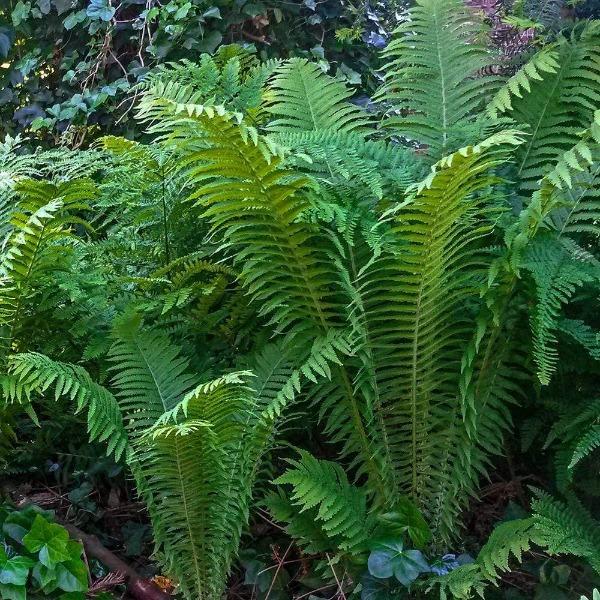
Ostrich Fern produces tall, upright, green fronds that arch outward in a vase shape, creating the soft, feathered look that gives this fern its common name. The fresh green fronds bring movement, height, and cooling texture to shaded landscapes, making them especially useful where homeowners want a more natural woodland feel. Use Ostrich Fern to soften shaded foundations, fill under open-canopy trees, line woodland paths, or create a lush backdrop behind lower shade perennials.
A native fern for moist shade gardens.
Matteuccia struthiopteris is a hardy perennial fern native to temperate regions of North America, Europe, and northern Asia, with North American forms especially associated with moist woods, river bottoms, and shaded wetland edges. In the garden, it performs best in part shade to full shade with rich, consistently moist, humusy soil. It is a strong choice for rain gardens, damp woodland borders, streamside plantings, and other shaded spaces where the soil stays cool and evenly moist.
A bold background plant for layered shade designs.
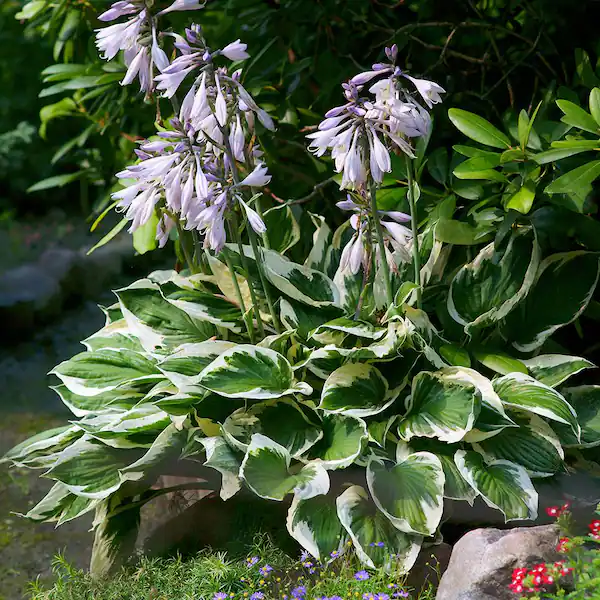
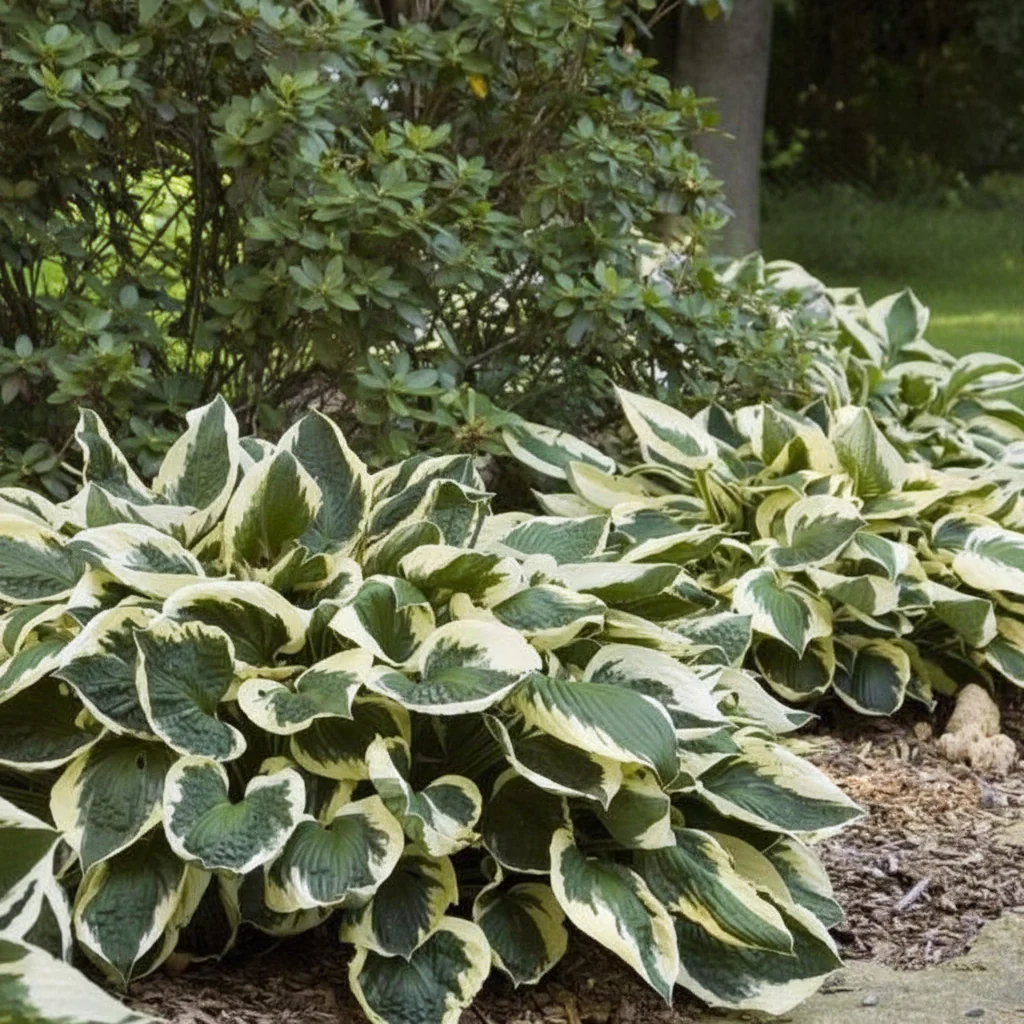
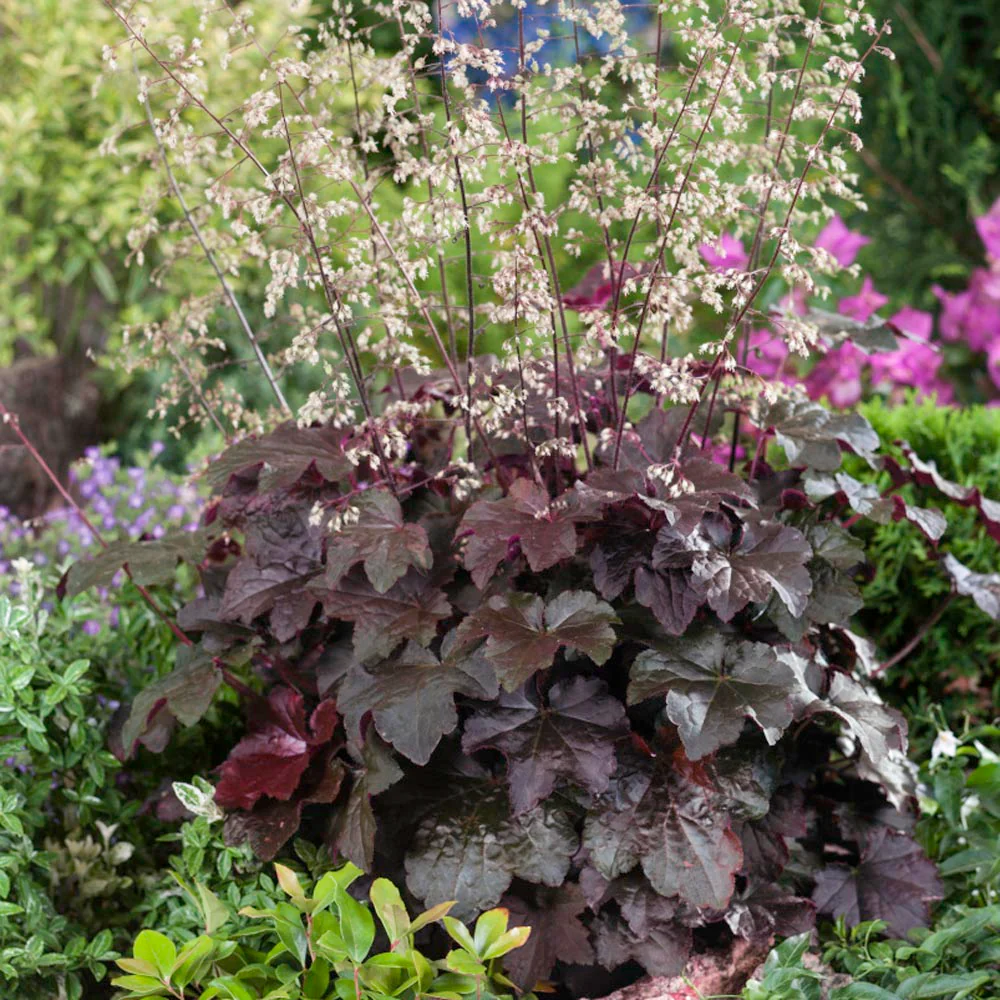
Ostrich Fern is larger and more architectural than many common garden ferns, making it useful as a background plant or massing fern in larger shade beds. The upright fronds pair beautifully with hostas, astilbe, heuchera, hellebores, brunnera, foamflower, carex, bleeding hearts, and other woodland perennials. Its bright green texture can make dark-shade gardens feel fuller, cooler, and more finished, especially when repeated throughout a planting.
Spreading colonies for naturalized plantings.
Ostrich Fern spreads by underground rhizomes and can form attractive colonies when grown in rich, moist soil. This is an advantage for homeowners who want a naturalized fern patch, erosion-softening ground cover, or a woodland garden that fills in over time. In smaller beds, it is best to give Ostrich Fern room to spread or manage the colony by dividing and removing unwanted runners as needed.
Deer-resistant foliage with low-maintenance appeal.
Ostrich Fern is commonly considered deer-resistant, making it a practical texture plant for shaded landscapes where browsing pressure can be frustrating. It is also low maintenance once established in the right conditions, as long as the soil does not dry out. The most important care detail is moisture: Ostrich Fern should not be planted in hot, dry shade or on exposed, windy sites where the fronds and soil dry out too quickly.
Tall feathery fronds with a graceful woodland texture.
Ostrich Fern produces tall, upright, green fronds that arch outward in a vase shape, creating the soft, feathered look that gives this fern its common name. The fresh green fronds bring movement, height, and cooling texture to shaded landscapes, making them especially useful where homeowners want a more natural woodland feel. Use Ostrich Fern to soften shaded foundations, fill under open-canopy trees, line woodland paths, or create a lush backdrop behind lower shade perennials.
A native fern for moist shade gardens.
Matteuccia struthiopteris is a hardy perennial fern native to temperate regions of North America, Europe, and northern Asia, with North American forms especially associated with moist woods, river bottoms, and shaded wetland edges. In the garden, it performs best in part shade to full shade with rich, consistently moist, humusy soil. It is a strong choice for rain gardens, damp woodland borders, streamside plantings, and other shaded spaces where the soil stays cool and evenly moist.
A bold background plant for layered shade designs.
Ostrich Fern is larger and more architectural than many common garden ferns, making it useful as a background plant or massing fern in larger shade beds. The upright fronds pair beautifully with hostas, astilbe, heuchera, hellebores, brunnera, foamflower, carex, bleeding hearts, and other woodland perennials. Its bright green texture can make dark-shade gardens feel fuller, cooler, and more finished, especially when repeated throughout a planting.
Spreading colonies for naturalized plantings.
Ostrich Fern spreads by underground rhizomes and can form attractive colonies when grown in rich, moist soil. This is an advantage for homeowners who want a naturalized fern patch, erosion-softening ground cover, or a woodland garden that fills in over time. In smaller beds, it is best to give Ostrich Fern room to spread or manage the colony by dividing and removing unwanted runners as needed.
Deer-resistant foliage with low-maintenance appeal.
Ostrich Fern is commonly considered deer-resistant, making it a practical texture plant for shaded landscapes where browsing pressure can be frustrating. It is also low maintenance once established in the right conditions, as long as the soil does not dry out. The most important care detail is moisture: Ostrich Fern should not be planted in hot, dry shade or on exposed, windy sites where the fronds and soil dry out too quickly.
Original: $20.95
-70%$20.95
$6.28Description
Tall feathery fronds with a graceful woodland texture.
Ostrich Fern produces tall, upright, green fronds that arch outward in a vase shape, creating the soft, feathered look that gives this fern its common name. The fresh green fronds bring movement, height, and cooling texture to shaded landscapes, making them especially useful where homeowners want a more natural woodland feel. Use Ostrich Fern to soften shaded foundations, fill under open-canopy trees, line woodland paths, or create a lush backdrop behind lower shade perennials.
A native fern for moist shade gardens.
Matteuccia struthiopteris is a hardy perennial fern native to temperate regions of North America, Europe, and northern Asia, with North American forms especially associated with moist woods, river bottoms, and shaded wetland edges. In the garden, it performs best in part shade to full shade with rich, consistently moist, humusy soil. It is a strong choice for rain gardens, damp woodland borders, streamside plantings, and other shaded spaces where the soil stays cool and evenly moist.
A bold background plant for layered shade designs.
Ostrich Fern is larger and more architectural than many common garden ferns, making it useful as a background plant or massing fern in larger shade beds. The upright fronds pair beautifully with hostas, astilbe, heuchera, hellebores, brunnera, foamflower, carex, bleeding hearts, and other woodland perennials. Its bright green texture can make dark-shade gardens feel fuller, cooler, and more finished, especially when repeated throughout a planting.
Spreading colonies for naturalized plantings.
Ostrich Fern spreads by underground rhizomes and can form attractive colonies when grown in rich, moist soil. This is an advantage for homeowners who want a naturalized fern patch, erosion-softening ground cover, or a woodland garden that fills in over time. In smaller beds, it is best to give Ostrich Fern room to spread or manage the colony by dividing and removing unwanted runners as needed.
Deer-resistant foliage with low-maintenance appeal.
Ostrich Fern is commonly considered deer-resistant, making it a practical texture plant for shaded landscapes where browsing pressure can be frustrating. It is also low maintenance once established in the right conditions, as long as the soil does not dry out. The most important care detail is moisture: Ostrich Fern should not be planted in hot, dry shade or on exposed, windy sites where the fronds and soil dry out too quickly.