Little Spire Russian Sage
A Smaller Russian Sage for Sunny Gardens.
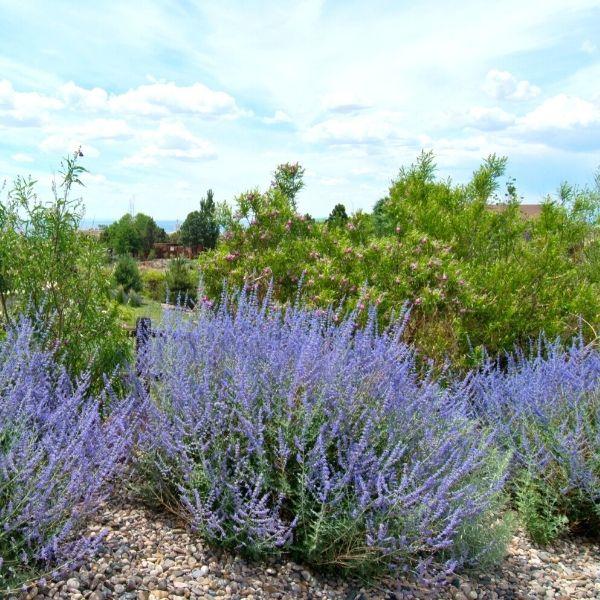
Little Spire Russian Sage is a compact form of Russian sage grown for its upright habit, silvery aromatic foliage, and airy lavender-blue flower spikes. It delivers the soft, meadow-like look of classic Russian sage in a more manageable size, making it easier to use in smaller borders, foundation plantings, cottage gardens, and mixed perennial beds. The silver foliage and blue flowers create a cool, elegant look in hot, sunny landscapes.
Long-Lasting Lavender-Blue Color.
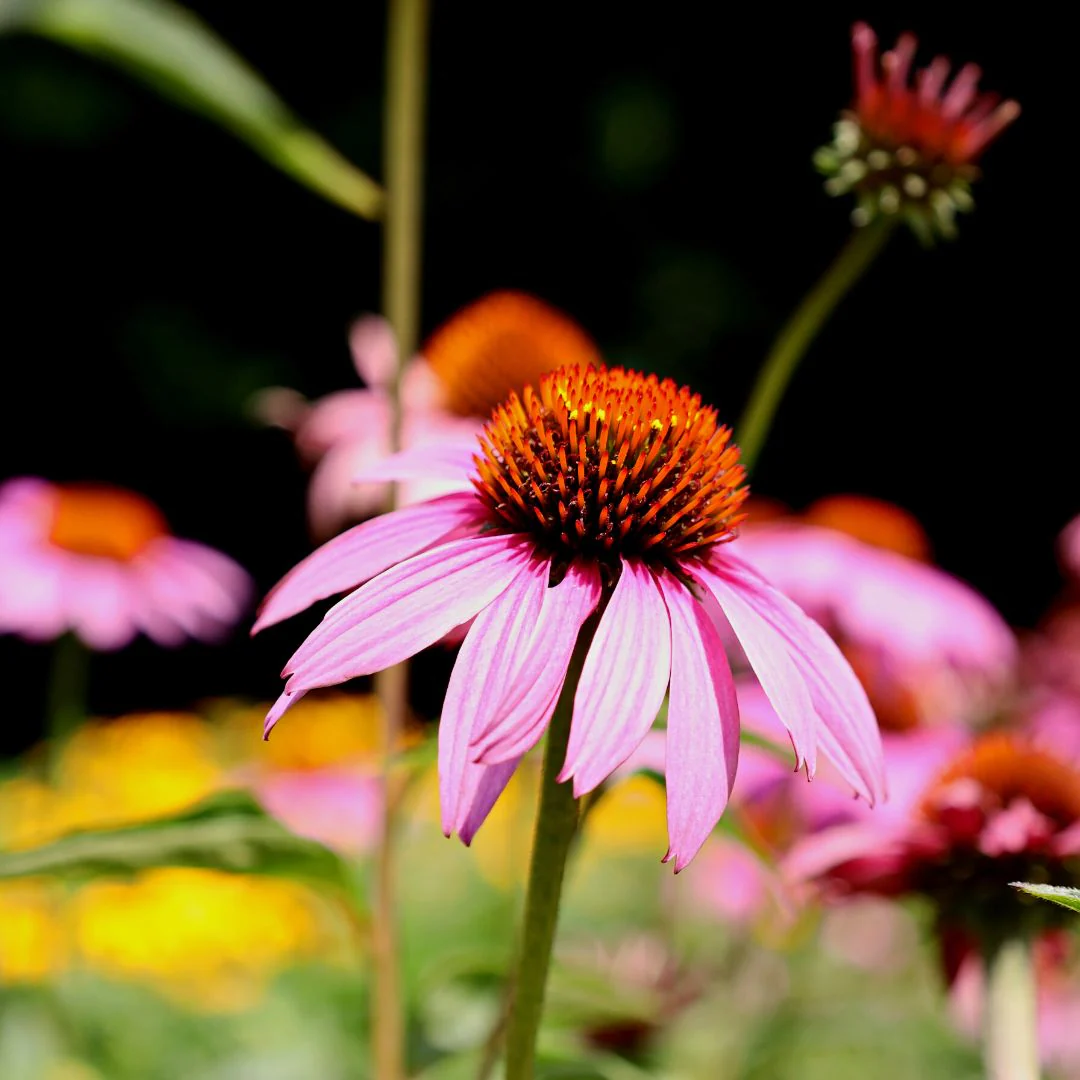
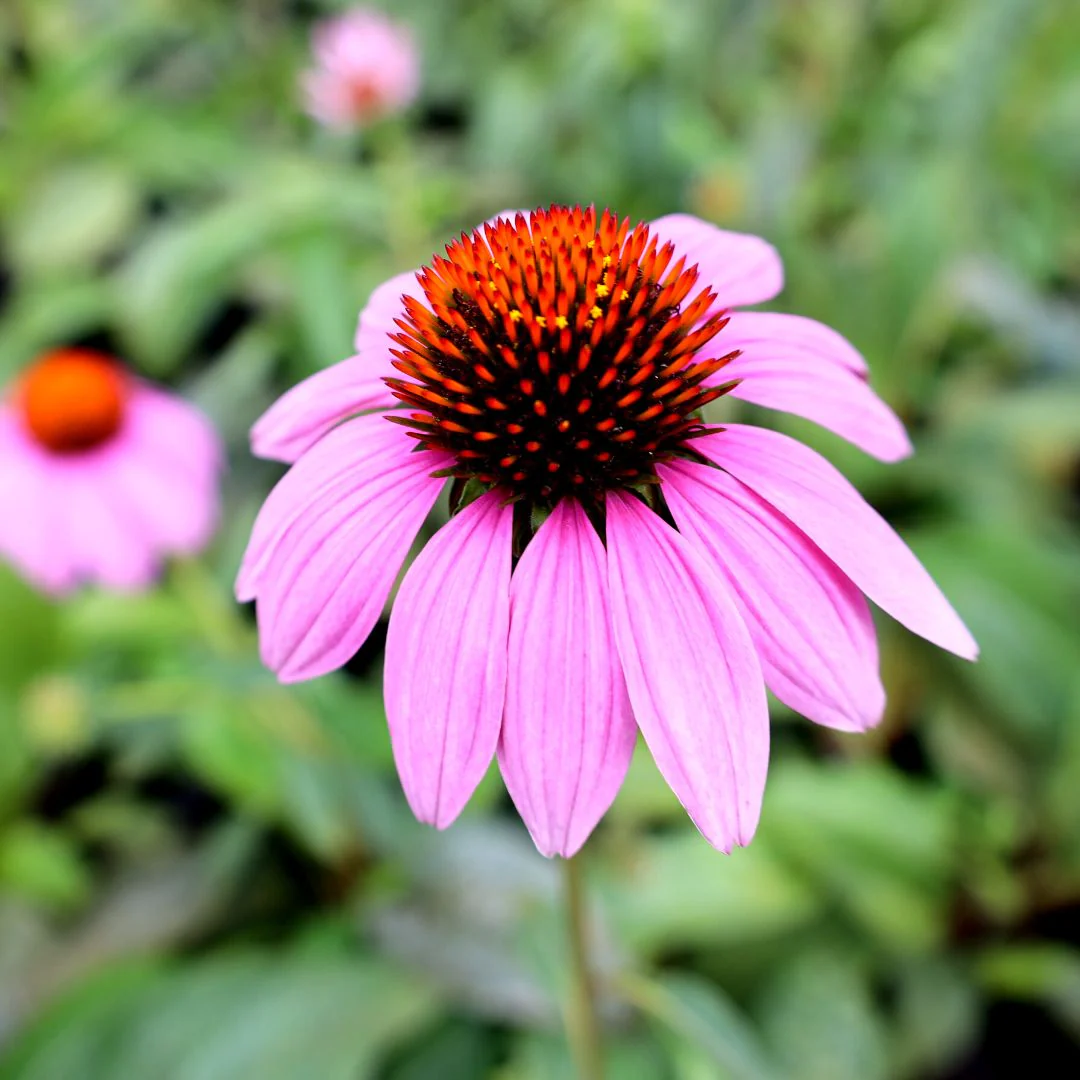
From midsummer into fall, Little Spire produces clouds of lavender-blue flowers on slender upright stems. The blooms bring late-season color when many spring and early-summer perennials have faded. Plant it in groups for a stronger visual effect, or mix it with coneflowers, yarrow, salvia, lavender, catmint, ornamental grasses, sedum, and black-eyed Susan for a full-sun planting that keeps color moving through summer.
Silver Foliage with Pollinator Appeal.
The gray-green to silver foliage adds texture, fragrance, and contrast even before the flowers open. Bees, butterflies, hummingbirds, and other beneficial pollinators are drawn to the blooms, making Little Spire Russian Sage a strong choice for pollinator-friendly gardens. Its airy habit also helps soften hard edges, pathways, patios, and stone walls without feeling heavy.
Deer Resistant and Drought Tolerant Once Established.
Little Spire Russian Sage is generally avoided by deer and rabbits because of its aromatic foliage. Once established, it is highly drought-tolerant and performs well in hot, dry, sunny locations. It is a practical choice for low-water landscapes, gravel gardens, slopes, curbside beds, and other areas where many flowering perennials struggle in summer heat.
Best in Full Sun and Well-Drained Soil.
Plant Little Spire Russian Sage in full sun with well-drained soil. Lean, sandy, gravelly, or average garden soil is usually better than rich, wet soil. Avoid overwatering and heavy fertilizer, which can encourage floppy growth. Cut plants back in late winter or early spring before new growth begins to refresh the clump and support strong flowering stems for the season ahead.
A Smaller Russian Sage for Sunny Gardens.
Little Spire Russian Sage is a compact form of Russian sage grown for its upright habit, silvery aromatic foliage, and airy lavender-blue flower spikes. It delivers the soft, meadow-like look of classic Russian sage in a more manageable size, making it easier to use in smaller borders, foundation plantings, cottage gardens, and mixed perennial beds. The silver foliage and blue flowers create a cool, elegant look in hot, sunny landscapes.
Long-Lasting Lavender-Blue Color.
From midsummer into fall, Little Spire produces clouds of lavender-blue flowers on slender upright stems. The blooms bring late-season color when many spring and early-summer perennials have faded. Plant it in groups for a stronger visual effect, or mix it with coneflowers, yarrow, salvia, lavender, catmint, ornamental grasses, sedum, and black-eyed Susan for a full-sun planting that keeps color moving through summer.
Silver Foliage with Pollinator Appeal.
The gray-green to silver foliage adds texture, fragrance, and contrast even before the flowers open. Bees, butterflies, hummingbirds, and other beneficial pollinators are drawn to the blooms, making Little Spire Russian Sage a strong choice for pollinator-friendly gardens. Its airy habit also helps soften hard edges, pathways, patios, and stone walls without feeling heavy.
Deer Resistant and Drought Tolerant Once Established.
Little Spire Russian Sage is generally avoided by deer and rabbits because of its aromatic foliage. Once established, it is highly drought-tolerant and performs well in hot, dry, sunny locations. It is a practical choice for low-water landscapes, gravel gardens, slopes, curbside beds, and other areas where many flowering perennials struggle in summer heat.
Best in Full Sun and Well-Drained Soil.
Plant Little Spire Russian Sage in full sun with well-drained soil. Lean, sandy, gravelly, or average garden soil is usually better than rich, wet soil. Avoid overwatering and heavy fertilizer, which can encourage floppy growth. Cut plants back in late winter or early spring before new growth begins to refresh the clump and support strong flowering stems for the season ahead.
Description
A Smaller Russian Sage for Sunny Gardens.
Little Spire Russian Sage is a compact form of Russian sage grown for its upright habit, silvery aromatic foliage, and airy lavender-blue flower spikes. It delivers the soft, meadow-like look of classic Russian sage in a more manageable size, making it easier to use in smaller borders, foundation plantings, cottage gardens, and mixed perennial beds. The silver foliage and blue flowers create a cool, elegant look in hot, sunny landscapes.
Long-Lasting Lavender-Blue Color.
From midsummer into fall, Little Spire produces clouds of lavender-blue flowers on slender upright stems. The blooms bring late-season color when many spring and early-summer perennials have faded. Plant it in groups for a stronger visual effect, or mix it with coneflowers, yarrow, salvia, lavender, catmint, ornamental grasses, sedum, and black-eyed Susan for a full-sun planting that keeps color moving through summer.
Silver Foliage with Pollinator Appeal.
The gray-green to silver foliage adds texture, fragrance, and contrast even before the flowers open. Bees, butterflies, hummingbirds, and other beneficial pollinators are drawn to the blooms, making Little Spire Russian Sage a strong choice for pollinator-friendly gardens. Its airy habit also helps soften hard edges, pathways, patios, and stone walls without feeling heavy.
Deer Resistant and Drought Tolerant Once Established.
Little Spire Russian Sage is generally avoided by deer and rabbits because of its aromatic foliage. Once established, it is highly drought-tolerant and performs well in hot, dry, sunny locations. It is a practical choice for low-water landscapes, gravel gardens, slopes, curbside beds, and other areas where many flowering perennials struggle in summer heat.
Best in Full Sun and Well-Drained Soil.
Plant Little Spire Russian Sage in full sun with well-drained soil. Lean, sandy, gravelly, or average garden soil is usually better than rich, wet soil. Avoid overwatering and heavy fertilizer, which can encourage floppy growth. Cut plants back in late winter or early spring before new growth begins to refresh the clump and support strong flowering stems for the season ahead.