Prairie Dropseed Grass
A Native Ornamental Grass with Refined Texture
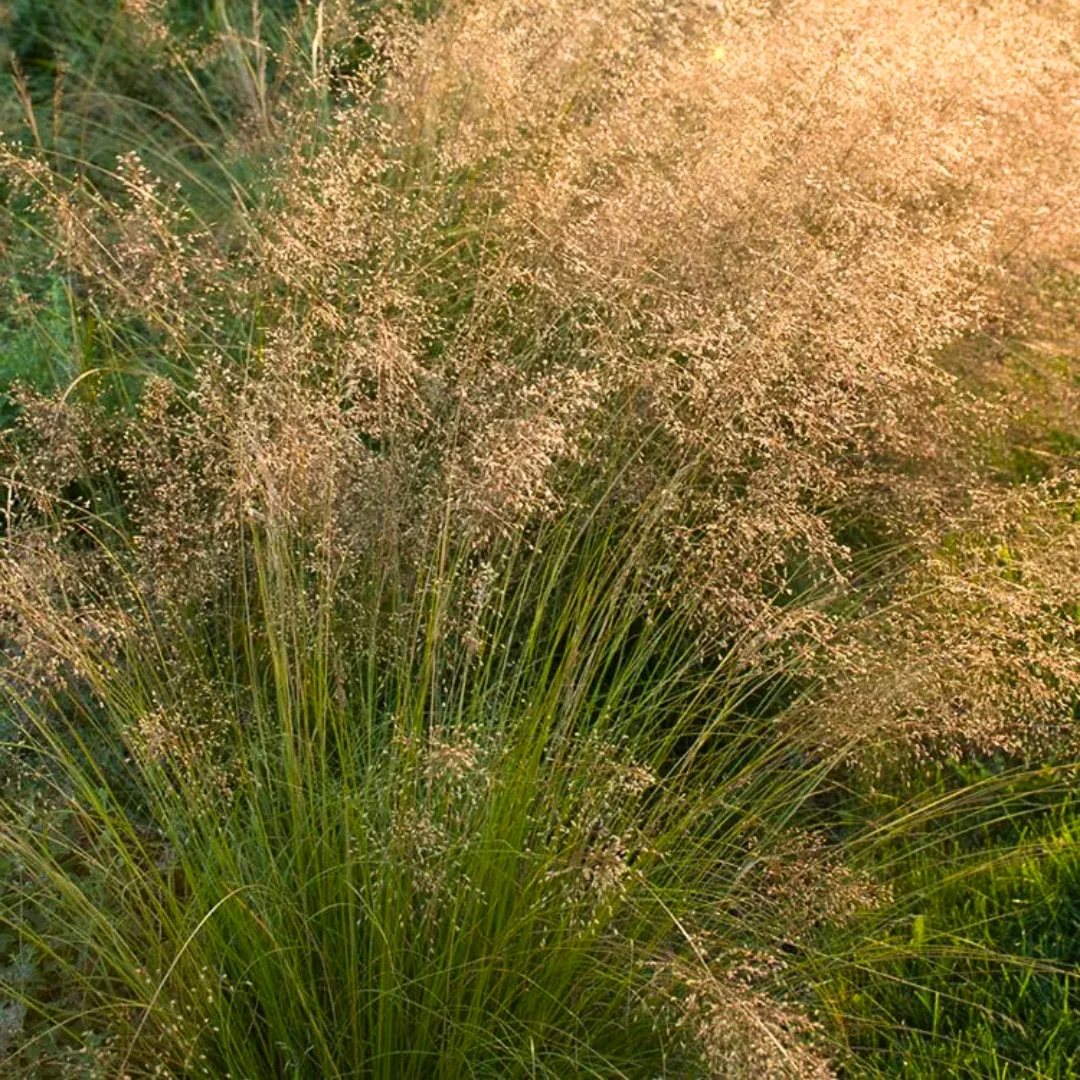
Prairie Dropseed Grass is one of the most elegant native ornamental grasses for home landscapes. Its narrow, threadlike green blades form a soft, fountain-shaped mound that brings movement and texture without looking coarse or overgrown. For homeowners who want a grass that feels natural but still polished, Prairie Dropseed offers a very refined look that works beautifully in both formal and naturalistic plantings. It is a warm-season, clump-forming perennial grass known for dense tufts of fine foliage.
The foliage is a major part of the appeal. Instead of stiff upright blades, Prairie Dropseed develops a graceful arching habit that gives beds and borders a softer, more finished appearance. It can calm down bolder flowers, tie mixed plantings together, and add a fine-textured layer that makes neighboring shrubs and perennials look even better. This kind of texture is especially valuable in gardens where every plant needs to contribute something visually useful beyond flower color alone.
Because it stays clump-forming rather than aggressively spreading, it is much easier to place than many other ornamental grasses. Homeowners can use it with confidence in borders, along walkways, in mass plantings, or as a repeating accent without worrying that it will quickly take over the space. That controlled habit is one of the reasons it has become such a favorite in both native and traditional landscape design.
For gardeners seeking a native grass that offers beauty, structure, and refinement rather than bulk, Prairie Dropseed is an outstanding choice. It feels soft and natural, but still highly intentional in the landscape.
Late-Summer Blooms and Fragrance Add Another Layer of Interest
Prairie Dropseed is grown first for its foliage, but its late-summer flowering display is another big reason gardeners love it. Airy flower panicles rise above the mounded blades, creating a light, floating effect that adds even more movement and seasonal interest. The flowers are subtle rather than flashy, but that restraint is part of what makes them so beautiful in a well-designed landscape.
One of the most distinctive traits of Prairie Dropseed is the fragrance of the blooms and seedheads. They are often described as smelling like coriander, licorice, or cilantro, which gives this grass an extra sensory dimension that many ornamental grasses lack. Planted near paths, seating areas, or along borders where people pass close by, it becomes a plant that is not only seen but also experienced.
The flowers also transition beautifully into seedheads and fall texture. As the season moves on, the foliage often turns warm golden to orange tones, and the seedheads extend the interest well into autumn and winter. That makes Prairie Dropseed feel like a true four-season plant rather than a grass that peaks only once.
For homeowners who want more than just a green mound, Prairie Dropseed delivers a longer seasonal story. It offers summer bloom, fragrance, autumn color, and winter presence in one durable native grass.
A Strong Fit for Borders, Mass Planting, and Native Landscapes
Prairie Dropseed is especially useful in landscapes where texture, repetition, and long-term structure matter. It works beautifully in sunny borders, native gardens, prairie-style plantings, foundation-adjacent beds, and along walkways where the fountain-like habit can soften edges and create rhythm. Because the clumps are so neat and refined, it fits easily into more traditional landscapes as well as looser native designs.
Its mature size makes it easy to place. Prairie Dropseed generally forms foliage mounds around 2 feet tall and about 3 feet wide, with flower stalks rising somewhat above the foliage. That scale is large enough to matter in the landscape, but still controlled enough for residential beds, edging, and layered planting.
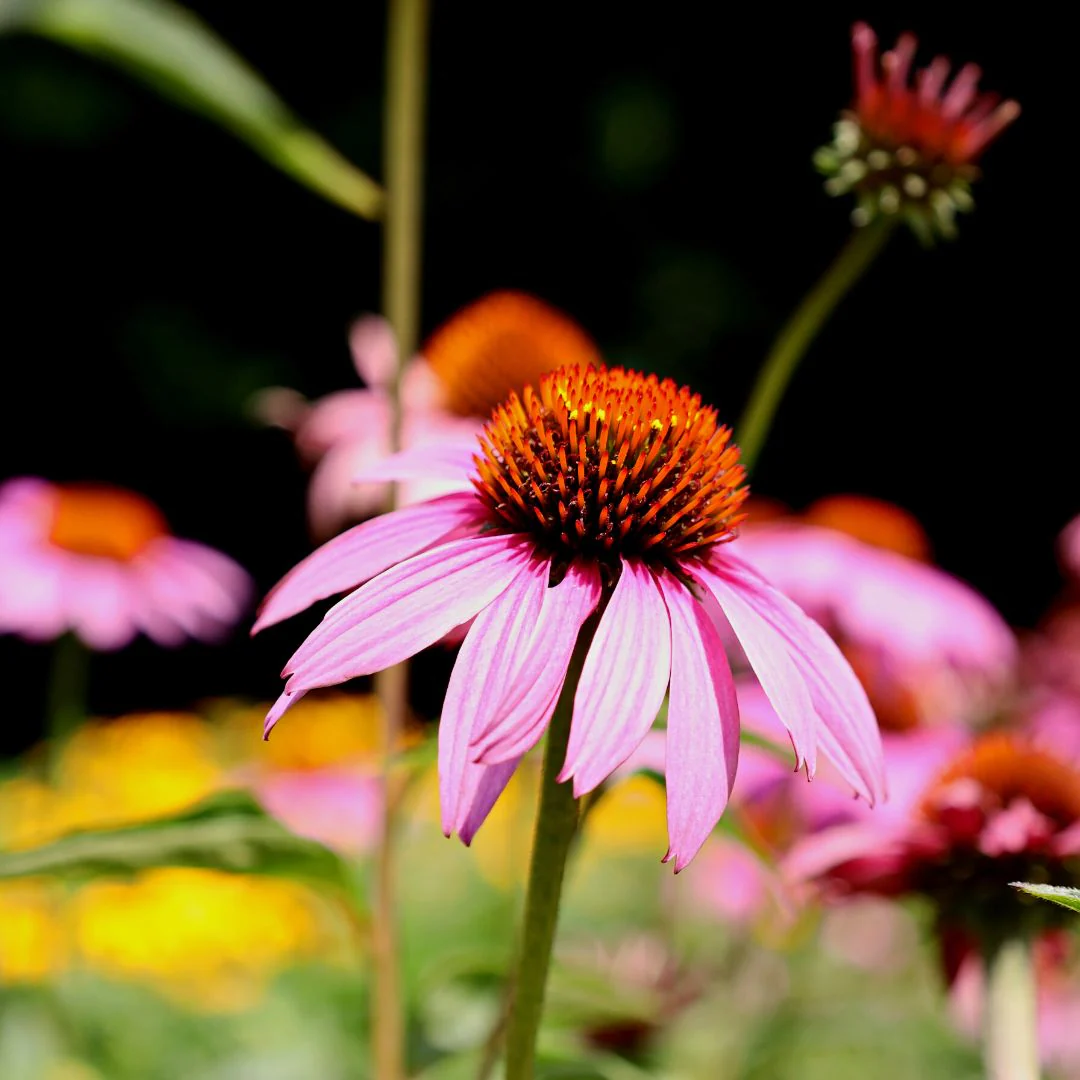
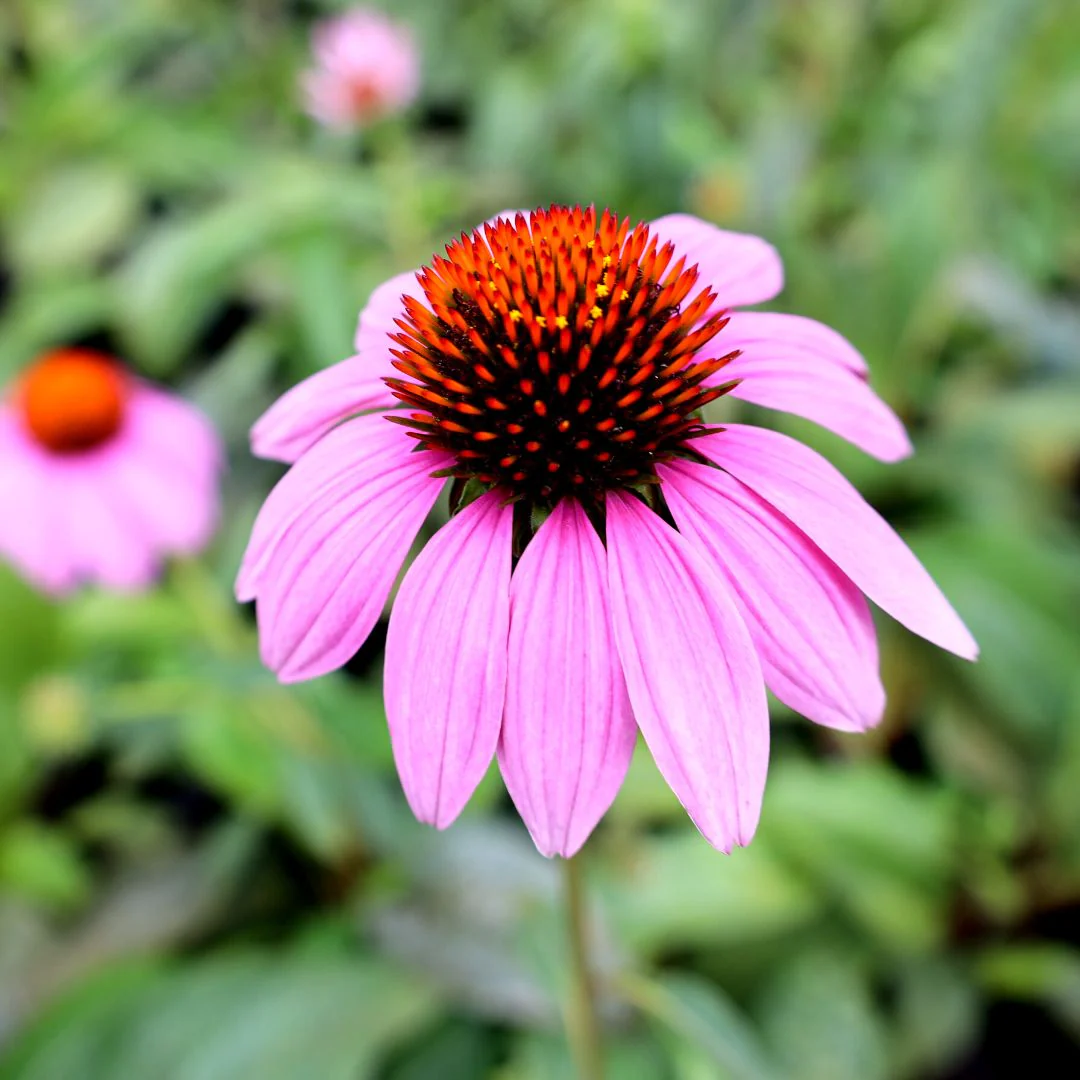
This is also an especially strong grass for massing. Repeated in groups, it creates a flowing ribbon of fine texture that can guide the eye through a planting and unify larger beds. It pairs especially well with coneflowers, black-eyed Susans, salvias, native perennials, and other warm-season flowers that benefit from a softer base and some seasonal contrast.
For homeowners seeking a grass that complements native character, offers drought tolerance, and delivers a polished look, Prairie Dropseed is one of the best grasses available. It helps a landscape feel grounded, resilient, and beautifully composed.
A Native Ornamental Grass with Refined Texture
Prairie Dropseed Grass is one of the most elegant native ornamental grasses for home landscapes. Its narrow, threadlike green blades form a soft, fountain-shaped mound that brings movement and texture without looking coarse or overgrown. For homeowners who want a grass that feels natural but still polished, Prairie Dropseed offers a very refined look that works beautifully in both formal and naturalistic plantings. It is a warm-season, clump-forming perennial grass known for dense tufts of fine foliage.
The foliage is a major part of the appeal. Instead of stiff upright blades, Prairie Dropseed develops a graceful arching habit that gives beds and borders a softer, more finished appearance. It can calm down bolder flowers, tie mixed plantings together, and add a fine-textured layer that makes neighboring shrubs and perennials look even better. This kind of texture is especially valuable in gardens where every plant needs to contribute something visually useful beyond flower color alone.
Because it stays clump-forming rather than aggressively spreading, it is much easier to place than many other ornamental grasses. Homeowners can use it with confidence in borders, along walkways, in mass plantings, or as a repeating accent without worrying that it will quickly take over the space. That controlled habit is one of the reasons it has become such a favorite in both native and traditional landscape design.
For gardeners seeking a native grass that offers beauty, structure, and refinement rather than bulk, Prairie Dropseed is an outstanding choice. It feels soft and natural, but still highly intentional in the landscape.
Late-Summer Blooms and Fragrance Add Another Layer of Interest
Prairie Dropseed is grown first for its foliage, but its late-summer flowering display is another big reason gardeners love it. Airy flower panicles rise above the mounded blades, creating a light, floating effect that adds even more movement and seasonal interest. The flowers are subtle rather than flashy, but that restraint is part of what makes them so beautiful in a well-designed landscape.
One of the most distinctive traits of Prairie Dropseed is the fragrance of the blooms and seedheads. They are often described as smelling like coriander, licorice, or cilantro, which gives this grass an extra sensory dimension that many ornamental grasses lack. Planted near paths, seating areas, or along borders where people pass close by, it becomes a plant that is not only seen but also experienced.
The flowers also transition beautifully into seedheads and fall texture. As the season moves on, the foliage often turns warm golden to orange tones, and the seedheads extend the interest well into autumn and winter. That makes Prairie Dropseed feel like a true four-season plant rather than a grass that peaks only once.
For homeowners who want more than just a green mound, Prairie Dropseed delivers a longer seasonal story. It offers summer bloom, fragrance, autumn color, and winter presence in one durable native grass.
A Strong Fit for Borders, Mass Planting, and Native Landscapes
Prairie Dropseed is especially useful in landscapes where texture, repetition, and long-term structure matter. It works beautifully in sunny borders, native gardens, prairie-style plantings, foundation-adjacent beds, and along walkways where the fountain-like habit can soften edges and create rhythm. Because the clumps are so neat and refined, it fits easily into more traditional landscapes as well as looser native designs.
Its mature size makes it easy to place. Prairie Dropseed generally forms foliage mounds around 2 feet tall and about 3 feet wide, with flower stalks rising somewhat above the foliage. That scale is large enough to matter in the landscape, but still controlled enough for residential beds, edging, and layered planting.
This is also an especially strong grass for massing. Repeated in groups, it creates a flowing ribbon of fine texture that can guide the eye through a planting and unify larger beds. It pairs especially well with coneflowers, black-eyed Susans, salvias, native perennials, and other warm-season flowers that benefit from a softer base and some seasonal contrast.
For homeowners seeking a grass that complements native character, offers drought tolerance, and delivers a polished look, Prairie Dropseed is one of the best grasses available. It helps a landscape feel grounded, resilient, and beautifully composed.
Description
A Native Ornamental Grass with Refined Texture
Prairie Dropseed Grass is one of the most elegant native ornamental grasses for home landscapes. Its narrow, threadlike green blades form a soft, fountain-shaped mound that brings movement and texture without looking coarse or overgrown. For homeowners who want a grass that feels natural but still polished, Prairie Dropseed offers a very refined look that works beautifully in both formal and naturalistic plantings. It is a warm-season, clump-forming perennial grass known for dense tufts of fine foliage.
The foliage is a major part of the appeal. Instead of stiff upright blades, Prairie Dropseed develops a graceful arching habit that gives beds and borders a softer, more finished appearance. It can calm down bolder flowers, tie mixed plantings together, and add a fine-textured layer that makes neighboring shrubs and perennials look even better. This kind of texture is especially valuable in gardens where every plant needs to contribute something visually useful beyond flower color alone.
Because it stays clump-forming rather than aggressively spreading, it is much easier to place than many other ornamental grasses. Homeowners can use it with confidence in borders, along walkways, in mass plantings, or as a repeating accent without worrying that it will quickly take over the space. That controlled habit is one of the reasons it has become such a favorite in both native and traditional landscape design.
For gardeners seeking a native grass that offers beauty, structure, and refinement rather than bulk, Prairie Dropseed is an outstanding choice. It feels soft and natural, but still highly intentional in the landscape.
Late-Summer Blooms and Fragrance Add Another Layer of Interest
Prairie Dropseed is grown first for its foliage, but its late-summer flowering display is another big reason gardeners love it. Airy flower panicles rise above the mounded blades, creating a light, floating effect that adds even more movement and seasonal interest. The flowers are subtle rather than flashy, but that restraint is part of what makes them so beautiful in a well-designed landscape.
One of the most distinctive traits of Prairie Dropseed is the fragrance of the blooms and seedheads. They are often described as smelling like coriander, licorice, or cilantro, which gives this grass an extra sensory dimension that many ornamental grasses lack. Planted near paths, seating areas, or along borders where people pass close by, it becomes a plant that is not only seen but also experienced.
The flowers also transition beautifully into seedheads and fall texture. As the season moves on, the foliage often turns warm golden to orange tones, and the seedheads extend the interest well into autumn and winter. That makes Prairie Dropseed feel like a true four-season plant rather than a grass that peaks only once.
For homeowners who want more than just a green mound, Prairie Dropseed delivers a longer seasonal story. It offers summer bloom, fragrance, autumn color, and winter presence in one durable native grass.
A Strong Fit for Borders, Mass Planting, and Native Landscapes
Prairie Dropseed is especially useful in landscapes where texture, repetition, and long-term structure matter. It works beautifully in sunny borders, native gardens, prairie-style plantings, foundation-adjacent beds, and along walkways where the fountain-like habit can soften edges and create rhythm. Because the clumps are so neat and refined, it fits easily into more traditional landscapes as well as looser native designs.
Its mature size makes it easy to place. Prairie Dropseed generally forms foliage mounds around 2 feet tall and about 3 feet wide, with flower stalks rising somewhat above the foliage. That scale is large enough to matter in the landscape, but still controlled enough for residential beds, edging, and layered planting.
This is also an especially strong grass for massing. Repeated in groups, it creates a flowing ribbon of fine texture that can guide the eye through a planting and unify larger beds. It pairs especially well with coneflowers, black-eyed Susans, salvias, native perennials, and other warm-season flowers that benefit from a softer base and some seasonal contrast.
For homeowners seeking a grass that complements native character, offers drought tolerance, and delivers a polished look, Prairie Dropseed is one of the best grasses available. It helps a landscape feel grounded, resilient, and beautifully composed.