Fireworks Goldenrod
Bright Yellow Fall Blooms with a Signature Arching Shape
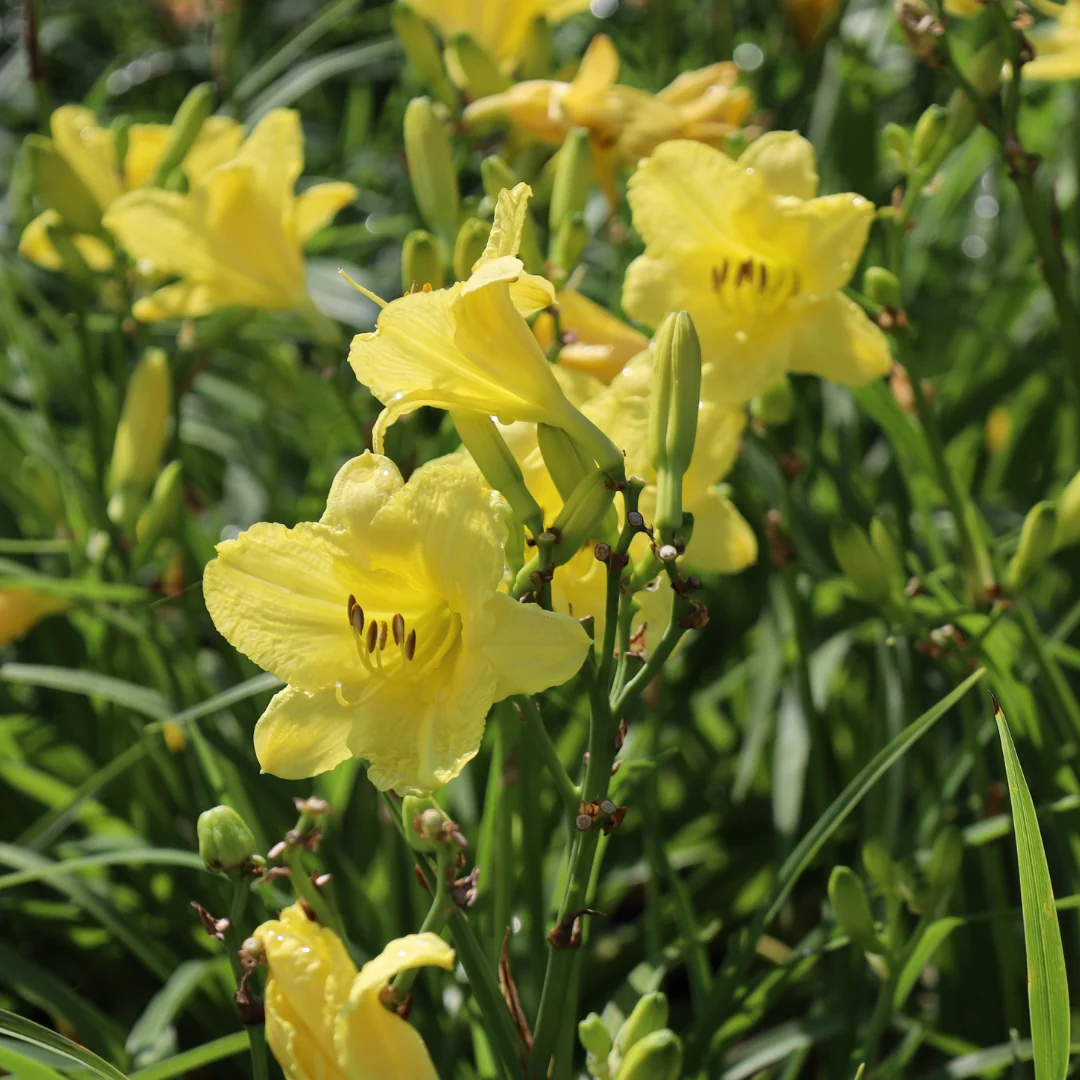
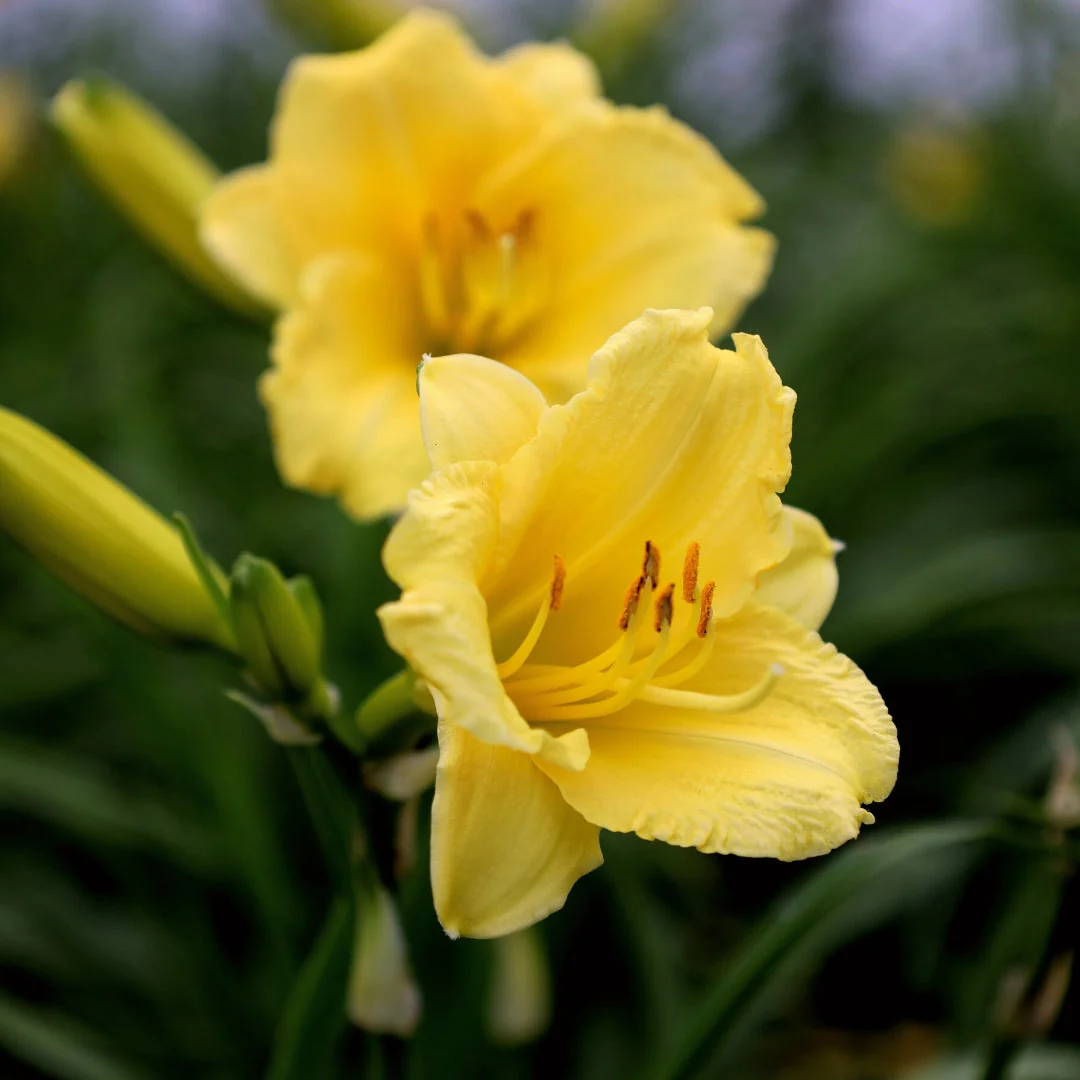
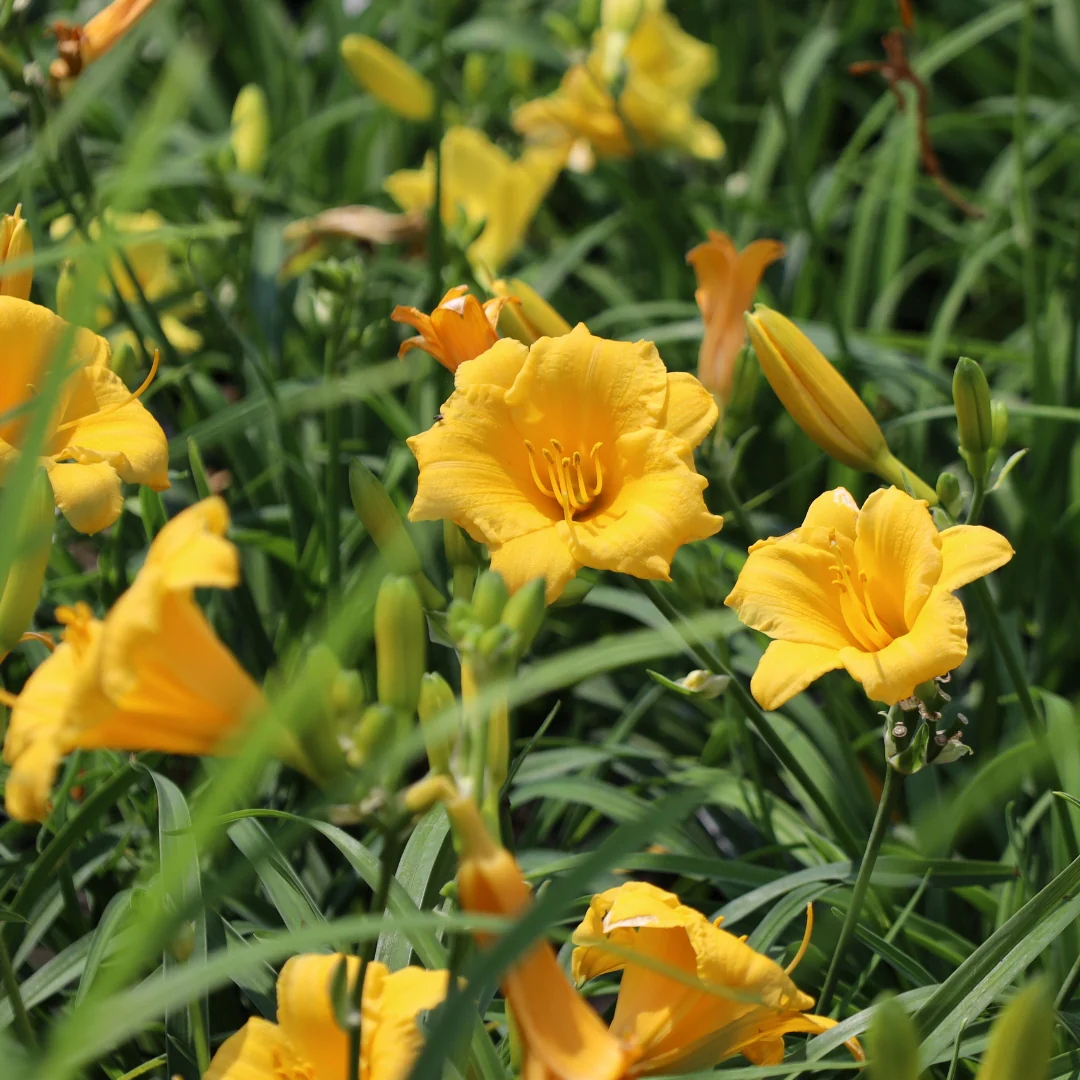
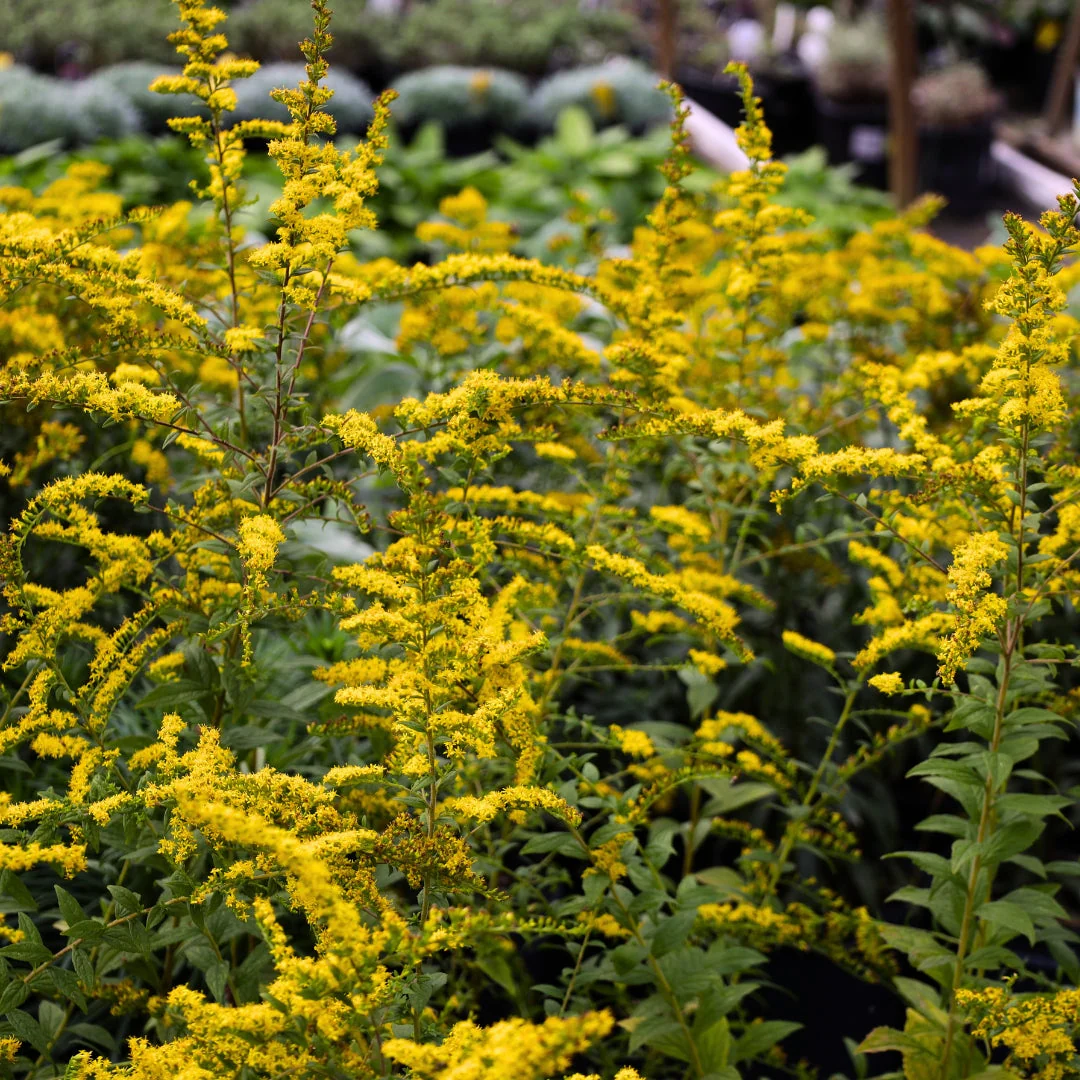
Fireworks Goldenrod is a standout native perennial cultivar known for its graceful sprays of bright yellow flowers that arch outward like bursting fireworks. This late-season bloomer brings movement, texture, and glowing color to sunny perennial beds just as many summer flowers begin to fade. Its upright stems and dramatic flower form make it one of the most garden-worthy goldenrods for homeowners who want native beauty with strong ornamental appeal.
Unlike more informal wild goldenrods, Solidago rugosa ‘Fireworks’ has a distinct landscape presence. It grows into a tall, sturdy clump with narrow green foliage and airy branching flower panicles, creating a softer, more refined look in borders, meadow gardens, and pollinator plantings. It is especially valuable for extending color and wildlife activity into late summer and fall.
Golden Flowers That Light Up the Late-Season Garden
Fireworks Goldenrod typically blooms in late summer to fall, covering the tops of its stems with tiny bright yellow flowers held in plume-like, arching sprays. The effect is both bold and natural, adding a warm golden glow that pairs beautifully with purple asters, ornamental grasses, coneflowers, Black Eyed Susans, Russian sage, and late-blooming sedums.
The flowers provide a strong seasonal bridge between summer and autumn. Their fine texture helps soften heavier plants, while the yellow color brightens meadow-style gardens, cottage borders, and native perennial beds. Even after bloom, the plant can continue adding structure and seed-head texture before it is cut back for the season.
A Natural Fit for Meadows, Pollinator Gardens, and Sunny Borders
Fireworks Goldenrod works best where it has room to show off its height and arching flower sprays. Use it in the middle or back of sunny perennial borders, in native plant gardens, meadow-style plantings, rain garden edges, wildlife gardens, and naturalized areas. Planted in groups, it creates a stronger late-season color display and a more noticeable draw for pollinators.
This cultivar is especially useful for gardeners who want a native-looking perennial that still feels intentional in the landscape. Its taller habit adds vertical structure, while the outward-sweeping flower sprays bring movement and rhythm. Give it room to mature, and pair it with sturdy companions that can balance its fall color and natural form.
Deer Resistant, Pollinator Friendly, and Tough Once Established
Fireworks Goldenrod is an excellent pollinator plant, attracting bees, butterflies, and other beneficial insects when it blooms. Its late-season flowers are especially valuable because they help support pollinators during a time when fewer garden plants are still producing nectar and pollen. For homeowners building pollinator-friendly landscapes, this plant brings both beauty and ecological benefit.
This goldenrod is also generally considered deer-resistant and low-maintenance. Once established, it tolerates periods of dry weather, average garden soil, and less-than-perfect conditions. While it appreciates consistent moisture in well-drained soil, it does not need pampering to perform well in sunny native plantings and perennial borders.
Easy Care in Sun with Room to Grow
Plant Fireworks Goldenrod in full sun for the best flowering and strongest habit. It can tolerate some light shade, but too much shade may reduce bloom and cause looser growth. Average, well-drained soil is ideal, though this adaptable perennial can tolerate a range of soil conditions once established.
Water regularly after planting until the root system is established, then water during extended dry spells as needed. Avoid heavy fertilizing, which can encourage overly soft growth. Cut plants back in late winter or early spring before new growth appears, and divide clumps every few years if they become too wide or need refreshing.
Bright Yellow Fall Blooms with a Signature Arching Shape
Fireworks Goldenrod is a standout native perennial cultivar known for its graceful sprays of bright yellow flowers that arch outward like bursting fireworks. This late-season bloomer brings movement, texture, and glowing color to sunny perennial beds just as many summer flowers begin to fade. Its upright stems and dramatic flower form make it one of the most garden-worthy goldenrods for homeowners who want native beauty with strong ornamental appeal.
Unlike more informal wild goldenrods, Solidago rugosa ‘Fireworks’ has a distinct landscape presence. It grows into a tall, sturdy clump with narrow green foliage and airy branching flower panicles, creating a softer, more refined look in borders, meadow gardens, and pollinator plantings. It is especially valuable for extending color and wildlife activity into late summer and fall.
Golden Flowers That Light Up the Late-Season Garden
Fireworks Goldenrod typically blooms in late summer to fall, covering the tops of its stems with tiny bright yellow flowers held in plume-like, arching sprays. The effect is both bold and natural, adding a warm golden glow that pairs beautifully with purple asters, ornamental grasses, coneflowers, Black Eyed Susans, Russian sage, and late-blooming sedums.
The flowers provide a strong seasonal bridge between summer and autumn. Their fine texture helps soften heavier plants, while the yellow color brightens meadow-style gardens, cottage borders, and native perennial beds. Even after bloom, the plant can continue adding structure and seed-head texture before it is cut back for the season.
A Natural Fit for Meadows, Pollinator Gardens, and Sunny Borders
Fireworks Goldenrod works best where it has room to show off its height and arching flower sprays. Use it in the middle or back of sunny perennial borders, in native plant gardens, meadow-style plantings, rain garden edges, wildlife gardens, and naturalized areas. Planted in groups, it creates a stronger late-season color display and a more noticeable draw for pollinators.
This cultivar is especially useful for gardeners who want a native-looking perennial that still feels intentional in the landscape. Its taller habit adds vertical structure, while the outward-sweeping flower sprays bring movement and rhythm. Give it room to mature, and pair it with sturdy companions that can balance its fall color and natural form.
Deer Resistant, Pollinator Friendly, and Tough Once Established
Fireworks Goldenrod is an excellent pollinator plant, attracting bees, butterflies, and other beneficial insects when it blooms. Its late-season flowers are especially valuable because they help support pollinators during a time when fewer garden plants are still producing nectar and pollen. For homeowners building pollinator-friendly landscapes, this plant brings both beauty and ecological benefit.
This goldenrod is also generally considered deer-resistant and low-maintenance. Once established, it tolerates periods of dry weather, average garden soil, and less-than-perfect conditions. While it appreciates consistent moisture in well-drained soil, it does not need pampering to perform well in sunny native plantings and perennial borders.
Easy Care in Sun with Room to Grow
Plant Fireworks Goldenrod in full sun for the best flowering and strongest habit. It can tolerate some light shade, but too much shade may reduce bloom and cause looser growth. Average, well-drained soil is ideal, though this adaptable perennial can tolerate a range of soil conditions once established.
Water regularly after planting until the root system is established, then water during extended dry spells as needed. Avoid heavy fertilizing, which can encourage overly soft growth. Cut plants back in late winter or early spring before new growth appears, and divide clumps every few years if they become too wide or need refreshing.
Original: $27.95
-70%$27.95
$8.38Description
Bright Yellow Fall Blooms with a Signature Arching Shape
Fireworks Goldenrod is a standout native perennial cultivar known for its graceful sprays of bright yellow flowers that arch outward like bursting fireworks. This late-season bloomer brings movement, texture, and glowing color to sunny perennial beds just as many summer flowers begin to fade. Its upright stems and dramatic flower form make it one of the most garden-worthy goldenrods for homeowners who want native beauty with strong ornamental appeal.
Unlike more informal wild goldenrods, Solidago rugosa ‘Fireworks’ has a distinct landscape presence. It grows into a tall, sturdy clump with narrow green foliage and airy branching flower panicles, creating a softer, more refined look in borders, meadow gardens, and pollinator plantings. It is especially valuable for extending color and wildlife activity into late summer and fall.
Golden Flowers That Light Up the Late-Season Garden
Fireworks Goldenrod typically blooms in late summer to fall, covering the tops of its stems with tiny bright yellow flowers held in plume-like, arching sprays. The effect is both bold and natural, adding a warm golden glow that pairs beautifully with purple asters, ornamental grasses, coneflowers, Black Eyed Susans, Russian sage, and late-blooming sedums.
The flowers provide a strong seasonal bridge between summer and autumn. Their fine texture helps soften heavier plants, while the yellow color brightens meadow-style gardens, cottage borders, and native perennial beds. Even after bloom, the plant can continue adding structure and seed-head texture before it is cut back for the season.
A Natural Fit for Meadows, Pollinator Gardens, and Sunny Borders
Fireworks Goldenrod works best where it has room to show off its height and arching flower sprays. Use it in the middle or back of sunny perennial borders, in native plant gardens, meadow-style plantings, rain garden edges, wildlife gardens, and naturalized areas. Planted in groups, it creates a stronger late-season color display and a more noticeable draw for pollinators.
This cultivar is especially useful for gardeners who want a native-looking perennial that still feels intentional in the landscape. Its taller habit adds vertical structure, while the outward-sweeping flower sprays bring movement and rhythm. Give it room to mature, and pair it with sturdy companions that can balance its fall color and natural form.
Deer Resistant, Pollinator Friendly, and Tough Once Established
Fireworks Goldenrod is an excellent pollinator plant, attracting bees, butterflies, and other beneficial insects when it blooms. Its late-season flowers are especially valuable because they help support pollinators during a time when fewer garden plants are still producing nectar and pollen. For homeowners building pollinator-friendly landscapes, this plant brings both beauty and ecological benefit.
This goldenrod is also generally considered deer-resistant and low-maintenance. Once established, it tolerates periods of dry weather, average garden soil, and less-than-perfect conditions. While it appreciates consistent moisture in well-drained soil, it does not need pampering to perform well in sunny native plantings and perennial borders.
Easy Care in Sun with Room to Grow
Plant Fireworks Goldenrod in full sun for the best flowering and strongest habit. It can tolerate some light shade, but too much shade may reduce bloom and cause looser growth. Average, well-drained soil is ideal, though this adaptable perennial can tolerate a range of soil conditions once established.
Water regularly after planting until the root system is established, then water during extended dry spells as needed. Avoid heavy fertilizing, which can encourage overly soft growth. Cut plants back in late winter or early spring before new growth appears, and divide clumps every few years if they become too wide or need refreshing.