
Tall Verbena (Verbena bonariensis)
Airy Purple Blooms That Float Above the Garden
Tall Verbena is a graceful flowering perennial grown for its slender upright stems and clusters of lavender-purple to violet-purple flowers. Also known as Purpletop Verbena, Purpletop Vervain, or Verbena bonariensis, this plant creates a light, floating effect in sunny borders because the blooms rise high above a lower base of foliage.
Instead of forming a dense wall of foliage, Tall Verbena lets surrounding plants show through. That makes it especially useful in layered borders, cottage gardens, meadow-style plantings, and pollinator gardens where movement, height, and soft color are part of the design.
Long Summer-to-Fall Flowering for Full Sun
Tall Verbena blooms from summer into fall, bringing long-lasting purple color during the hottest part of the growing season. The small flowers are borne in rounded clusters at the ends of branching stems, creating a loose yet highly visible display.
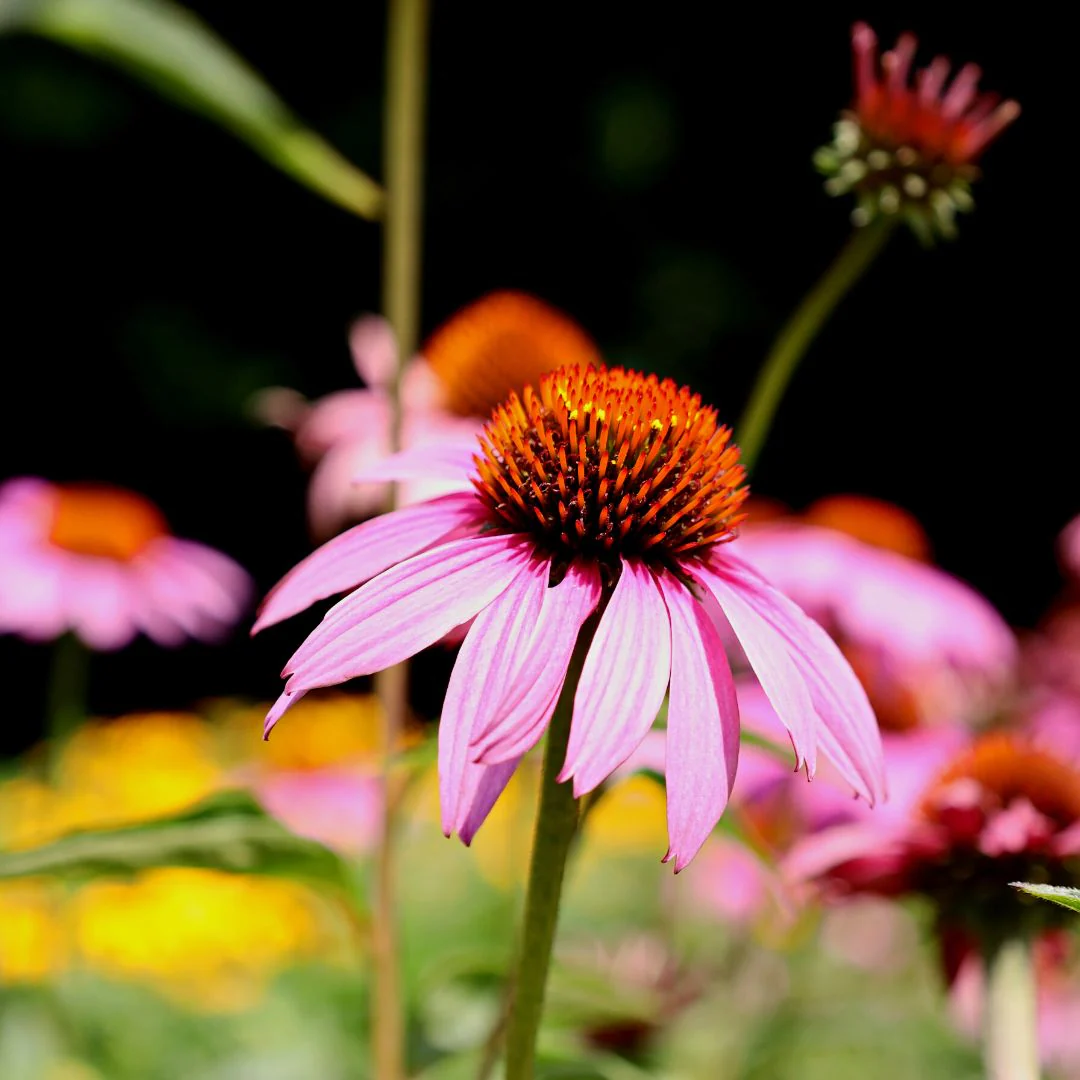
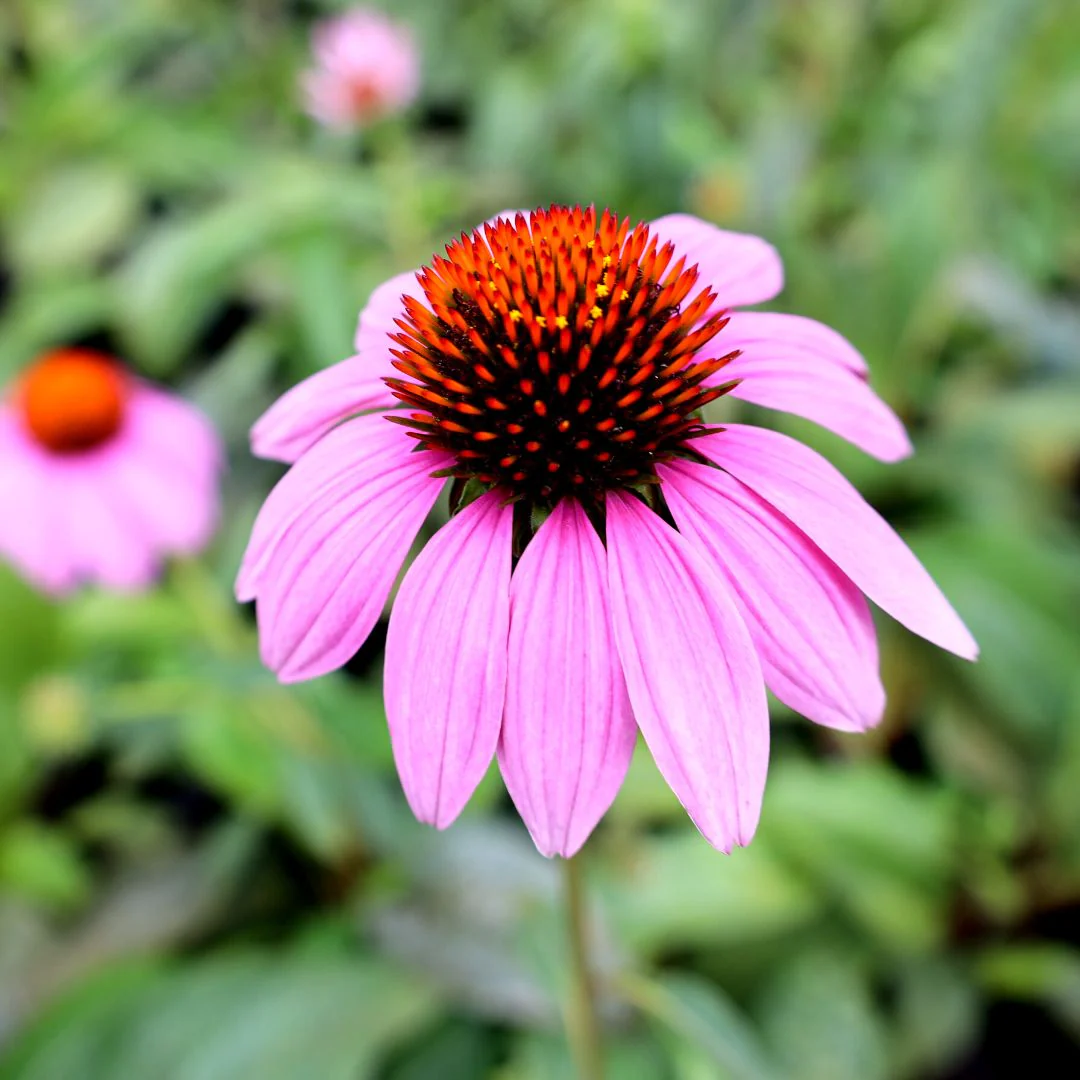
This extended bloom season makes Verbena bonariensis especially valuable with ornamental grasses, coneflowers, black-eyed Susans, salvias, catmint, sedum, yarrow, and other sun-loving perennials. It adds height without heaviness and can repeat color throughout a mixed planting.
A Pollinator Magnet for Bees and Butterflies
Tall Verbena is one of the best plants for attracting pollinators to a sunny garden. The nectar-rich flowers attract butterflies, bees, and other beneficial insects, making it a strong choice for pollinator gardens and wildlife-friendly landscapes.
Because the flowers are held on tall, open stems, pollinators can move through the plant easily. Gardeners often use it near patios, vegetable gardens, herb gardens, and perennial borders where pollinator activity adds both beauty and garden benefit.
Heat Tolerant, Drought Tolerant, and Easy to Use
Tall Verbena performs best in full sun and well-drained soil. Once established, it is tolerant of heat and short dry periods, making it useful in sunny summer gardens where softer plants may struggle.
It is also a good choice for naturalistic designs because it can self-seed where conditions are favorable. In colder climates, Verbena bonariensis is often grown as an annual that may return from seed. In warmer zones, it can behave more like a short-lived perennial.
Simple Care with Light Cleanup and Spring Pruning
Plant Tall Verbena in full sun with average, well-drained soil. Water regularly after planting until roots establish, then reduce watering once the plant is growing strongly. Avoid wet, heavy soils that stay soggy.
Deadheading is optional. Removing spent flowers can keep the plant tidier, while leaving seed heads can encourage self-seeding and provide a more natural garden look. In perennial zones, cut old stems back in late winter or early spring before new growth begins.
Airy Purple Blooms That Float Above the Garden
Tall Verbena is a graceful flowering perennial grown for its slender upright stems and clusters of lavender-purple to violet-purple flowers. Also known as Purpletop Verbena, Purpletop Vervain, or Verbena bonariensis, this plant creates a light, floating effect in sunny borders because the blooms rise high above a lower base of foliage.
Instead of forming a dense wall of foliage, Tall Verbena lets surrounding plants show through. That makes it especially useful in layered borders, cottage gardens, meadow-style plantings, and pollinator gardens where movement, height, and soft color are part of the design.
Long Summer-to-Fall Flowering for Full Sun
Tall Verbena blooms from summer into fall, bringing long-lasting purple color during the hottest part of the growing season. The small flowers are borne in rounded clusters at the ends of branching stems, creating a loose yet highly visible display.
This extended bloom season makes Verbena bonariensis especially valuable with ornamental grasses, coneflowers, black-eyed Susans, salvias, catmint, sedum, yarrow, and other sun-loving perennials. It adds height without heaviness and can repeat color throughout a mixed planting.
A Pollinator Magnet for Bees and Butterflies
Tall Verbena is one of the best plants for attracting pollinators to a sunny garden. The nectar-rich flowers attract butterflies, bees, and other beneficial insects, making it a strong choice for pollinator gardens and wildlife-friendly landscapes.
Because the flowers are held on tall, open stems, pollinators can move through the plant easily. Gardeners often use it near patios, vegetable gardens, herb gardens, and perennial borders where pollinator activity adds both beauty and garden benefit.
Heat Tolerant, Drought Tolerant, and Easy to Use
Tall Verbena performs best in full sun and well-drained soil. Once established, it is tolerant of heat and short dry periods, making it useful in sunny summer gardens where softer plants may struggle.
It is also a good choice for naturalistic designs because it can self-seed where conditions are favorable. In colder climates, Verbena bonariensis is often grown as an annual that may return from seed. In warmer zones, it can behave more like a short-lived perennial.
Simple Care with Light Cleanup and Spring Pruning
Plant Tall Verbena in full sun with average, well-drained soil. Water regularly after planting until roots establish, then reduce watering once the plant is growing strongly. Avoid wet, heavy soils that stay soggy.
Deadheading is optional. Removing spent flowers can keep the plant tidier, while leaving seed heads can encourage self-seeding and provide a more natural garden look. In perennial zones, cut old stems back in late winter or early spring before new growth begins.
Original: $26.95
-70%$26.95
$8.08Description
Airy Purple Blooms That Float Above the Garden
Tall Verbena is a graceful flowering perennial grown for its slender upright stems and clusters of lavender-purple to violet-purple flowers. Also known as Purpletop Verbena, Purpletop Vervain, or Verbena bonariensis, this plant creates a light, floating effect in sunny borders because the blooms rise high above a lower base of foliage.
Instead of forming a dense wall of foliage, Tall Verbena lets surrounding plants show through. That makes it especially useful in layered borders, cottage gardens, meadow-style plantings, and pollinator gardens where movement, height, and soft color are part of the design.
Long Summer-to-Fall Flowering for Full Sun
Tall Verbena blooms from summer into fall, bringing long-lasting purple color during the hottest part of the growing season. The small flowers are borne in rounded clusters at the ends of branching stems, creating a loose yet highly visible display.
This extended bloom season makes Verbena bonariensis especially valuable with ornamental grasses, coneflowers, black-eyed Susans, salvias, catmint, sedum, yarrow, and other sun-loving perennials. It adds height without heaviness and can repeat color throughout a mixed planting.
A Pollinator Magnet for Bees and Butterflies
Tall Verbena is one of the best plants for attracting pollinators to a sunny garden. The nectar-rich flowers attract butterflies, bees, and other beneficial insects, making it a strong choice for pollinator gardens and wildlife-friendly landscapes.
Because the flowers are held on tall, open stems, pollinators can move through the plant easily. Gardeners often use it near patios, vegetable gardens, herb gardens, and perennial borders where pollinator activity adds both beauty and garden benefit.
Heat Tolerant, Drought Tolerant, and Easy to Use
Tall Verbena performs best in full sun and well-drained soil. Once established, it is tolerant of heat and short dry periods, making it useful in sunny summer gardens where softer plants may struggle.
It is also a good choice for naturalistic designs because it can self-seed where conditions are favorable. In colder climates, Verbena bonariensis is often grown as an annual that may return from seed. In warmer zones, it can behave more like a short-lived perennial.
Simple Care with Light Cleanup and Spring Pruning
Plant Tall Verbena in full sun with average, well-drained soil. Water regularly after planting until roots establish, then reduce watering once the plant is growing strongly. Avoid wet, heavy soils that stay soggy.
Deadheading is optional. Removing spent flowers can keep the plant tidier, while leaving seed heads can encourage self-seeding and provide a more natural garden look. In perennial zones, cut old stems back in late winter or early spring before new growth begins.