Iron Butterfly Vernonia
Purple Ironweed Flowers on a Garden-Friendly Plant
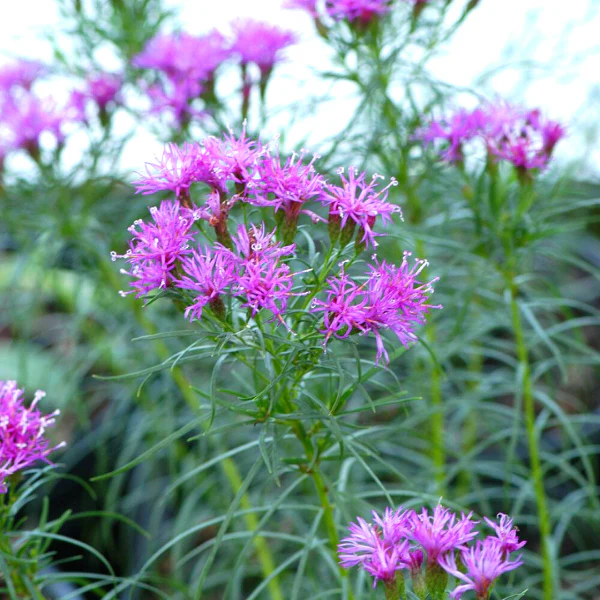
Iron Butterfly Vernonia is a compact, narrowleaf ironweed cultivar grown for its fine-textured foliage, upright mounding habit, and bright purple flowers in late summer to fall. It delivers the pollinator power and rich color gardeners love about ironweed in a more manageable size for home landscapes.
Unlike taller ironweeds that can dominate a border, Iron Butterfly stays shorter and denser, making it easier to use in sunny perennial beds, native gardens, meadow-style plantings, and pollinator borders. Its narrow green foliage gives the plant a soft, airy texture long before the flowers open, adding season-long value beyond bloom time.
Late-Season Purple Blooms for Pollinators
In late summer into fall, Iron Butterfly Vernonia produces clusters of vivid purple to violet-purple flowers that stand out beautifully against its fine green foliage. This late bloom window is one of the plant’s biggest strengths, bringing color and wildlife activity to the garden when many summer perennials are beginning to fade.
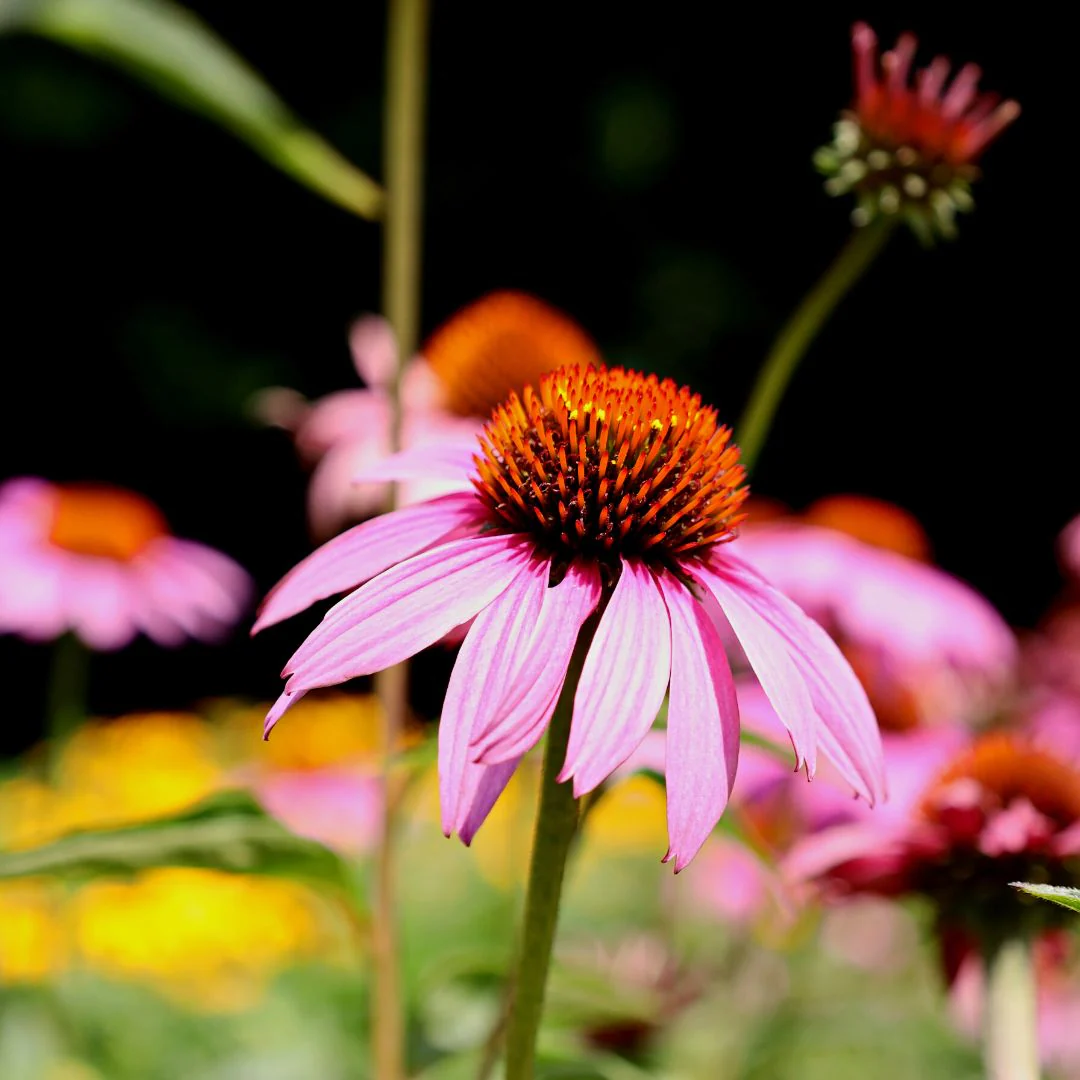
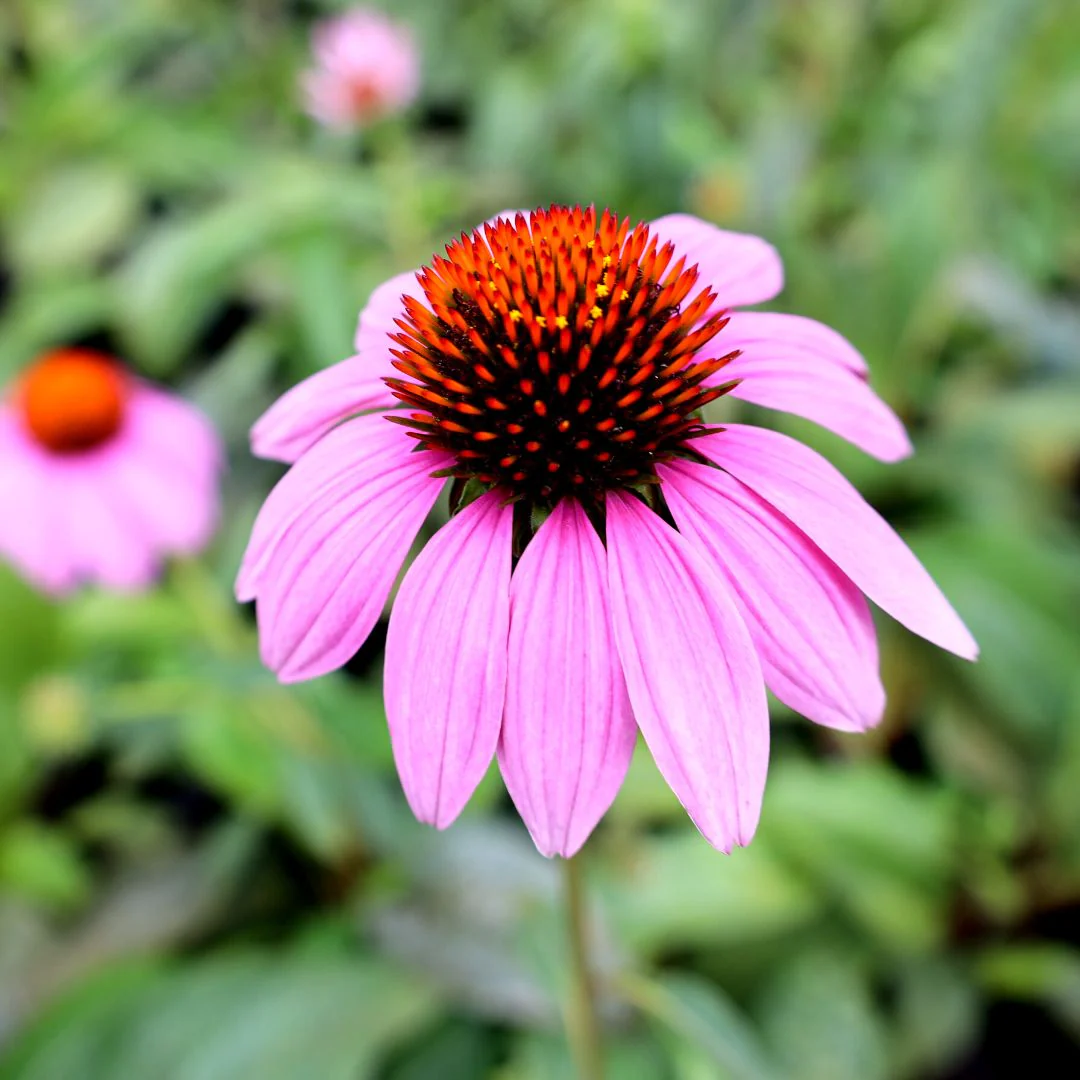
The flowers attract butterflies, bees, and other beneficial pollinators. Use Iron Butterfly near asters, goldenrod, coneflowers, Black Eyed Susans, ornamental grasses, sedum, mountain mint, and salvia for a strong late-season pollinator planting with layered texture and color.
Perfect for Sunny Borders, Meadows, and Native Gardens
Iron Butterfly Vernonia is well-suited to full sun perennial borders, pollinator gardens, meadow gardens, native-style plantings, cottage gardens, rain garden edges, dry slopes, rock gardens, and naturalized beds. Its compact habit makes it useful where traditional ironweeds may be too tall.
Plant it in groups for the strongest purple-bloom display, or repeat it along a border for rhythm. Its fine foliage works especially well with broader-leaf perennials and grasses, creating contrast without looking heavy. In designed landscapes, it brings a native meadow feel in a more polished form.
Deer Resistant, Drought Tolerant, and Tough Once Established
Iron Butterfly Vernonia is generally considered deer resistant, making it a smart choice for sunny landscapes where browsing pressure can be a concern. Deer resistance can vary by location and season, but ironweeds are typically lower-risk than many softer flowering perennials.
Once established, Iron Butterfly is drought-tolerant and heat-tolerant. It handles average to dry, well-drained soil and can tolerate challenging sites, including rocky or lean conditions. It can also handle occasional flooding, but it should not be planted in constantly saturated soil.
Easy Care with Full Sun and Good Drainage
Plant Iron Butterfly Vernonia in full sun with average to dry, well-drained soil. Full sun supports the strongest flowering, densest habit, and best overall performance. Avoid heavy, saturated soil that stays wet for long periods.
Water regularly after planting until the roots establish, then reduce watering. Once established, this plant usually needs little supplemental water except during extended drought. Cut back old stems in late winter or early spring, before new growth begins. If a shorter plant is desired, stems can be cut back lightly in late spring before flower buds form.
Purple Ironweed Flowers on a Garden-Friendly Plant
Iron Butterfly Vernonia is a compact, narrowleaf ironweed cultivar grown for its fine-textured foliage, upright mounding habit, and bright purple flowers in late summer to fall. It delivers the pollinator power and rich color gardeners love about ironweed in a more manageable size for home landscapes.
Unlike taller ironweeds that can dominate a border, Iron Butterfly stays shorter and denser, making it easier to use in sunny perennial beds, native gardens, meadow-style plantings, and pollinator borders. Its narrow green foliage gives the plant a soft, airy texture long before the flowers open, adding season-long value beyond bloom time.
Late-Season Purple Blooms for Pollinators
In late summer into fall, Iron Butterfly Vernonia produces clusters of vivid purple to violet-purple flowers that stand out beautifully against its fine green foliage. This late bloom window is one of the plant’s biggest strengths, bringing color and wildlife activity to the garden when many summer perennials are beginning to fade.
The flowers attract butterflies, bees, and other beneficial pollinators. Use Iron Butterfly near asters, goldenrod, coneflowers, Black Eyed Susans, ornamental grasses, sedum, mountain mint, and salvia for a strong late-season pollinator planting with layered texture and color.
Perfect for Sunny Borders, Meadows, and Native Gardens
Iron Butterfly Vernonia is well-suited to full sun perennial borders, pollinator gardens, meadow gardens, native-style plantings, cottage gardens, rain garden edges, dry slopes, rock gardens, and naturalized beds. Its compact habit makes it useful where traditional ironweeds may be too tall.
Plant it in groups for the strongest purple-bloom display, or repeat it along a border for rhythm. Its fine foliage works especially well with broader-leaf perennials and grasses, creating contrast without looking heavy. In designed landscapes, it brings a native meadow feel in a more polished form.
Deer Resistant, Drought Tolerant, and Tough Once Established
Iron Butterfly Vernonia is generally considered deer resistant, making it a smart choice for sunny landscapes where browsing pressure can be a concern. Deer resistance can vary by location and season, but ironweeds are typically lower-risk than many softer flowering perennials.
Once established, Iron Butterfly is drought-tolerant and heat-tolerant. It handles average to dry, well-drained soil and can tolerate challenging sites, including rocky or lean conditions. It can also handle occasional flooding, but it should not be planted in constantly saturated soil.
Easy Care with Full Sun and Good Drainage
Plant Iron Butterfly Vernonia in full sun with average to dry, well-drained soil. Full sun supports the strongest flowering, densest habit, and best overall performance. Avoid heavy, saturated soil that stays wet for long periods.
Water regularly after planting until the roots establish, then reduce watering. Once established, this plant usually needs little supplemental water except during extended drought. Cut back old stems in late winter or early spring, before new growth begins. If a shorter plant is desired, stems can be cut back lightly in late spring before flower buds form.
Original: $26.95
-70%$26.95
$8.08Description
Purple Ironweed Flowers on a Garden-Friendly Plant
Iron Butterfly Vernonia is a compact, narrowleaf ironweed cultivar grown for its fine-textured foliage, upright mounding habit, and bright purple flowers in late summer to fall. It delivers the pollinator power and rich color gardeners love about ironweed in a more manageable size for home landscapes.
Unlike taller ironweeds that can dominate a border, Iron Butterfly stays shorter and denser, making it easier to use in sunny perennial beds, native gardens, meadow-style plantings, and pollinator borders. Its narrow green foliage gives the plant a soft, airy texture long before the flowers open, adding season-long value beyond bloom time.
Late-Season Purple Blooms for Pollinators
In late summer into fall, Iron Butterfly Vernonia produces clusters of vivid purple to violet-purple flowers that stand out beautifully against its fine green foliage. This late bloom window is one of the plant’s biggest strengths, bringing color and wildlife activity to the garden when many summer perennials are beginning to fade.
The flowers attract butterflies, bees, and other beneficial pollinators. Use Iron Butterfly near asters, goldenrod, coneflowers, Black Eyed Susans, ornamental grasses, sedum, mountain mint, and salvia for a strong late-season pollinator planting with layered texture and color.
Perfect for Sunny Borders, Meadows, and Native Gardens
Iron Butterfly Vernonia is well-suited to full sun perennial borders, pollinator gardens, meadow gardens, native-style plantings, cottage gardens, rain garden edges, dry slopes, rock gardens, and naturalized beds. Its compact habit makes it useful where traditional ironweeds may be too tall.
Plant it in groups for the strongest purple-bloom display, or repeat it along a border for rhythm. Its fine foliage works especially well with broader-leaf perennials and grasses, creating contrast without looking heavy. In designed landscapes, it brings a native meadow feel in a more polished form.
Deer Resistant, Drought Tolerant, and Tough Once Established
Iron Butterfly Vernonia is generally considered deer resistant, making it a smart choice for sunny landscapes where browsing pressure can be a concern. Deer resistance can vary by location and season, but ironweeds are typically lower-risk than many softer flowering perennials.
Once established, Iron Butterfly is drought-tolerant and heat-tolerant. It handles average to dry, well-drained soil and can tolerate challenging sites, including rocky or lean conditions. It can also handle occasional flooding, but it should not be planted in constantly saturated soil.
Easy Care with Full Sun and Good Drainage
Plant Iron Butterfly Vernonia in full sun with average to dry, well-drained soil. Full sun supports the strongest flowering, densest habit, and best overall performance. Avoid heavy, saturated soil that stays wet for long periods.
Water regularly after planting until the roots establish, then reduce watering. Once established, this plant usually needs little supplemental water except during extended drought. Cut back old stems in late winter or early spring, before new growth begins. If a shorter plant is desired, stems can be cut back lightly in late spring before flower buds form.